

Lower Limb Orthopaedic Injuries
Specialised care for trauma-related lower limb injuries
Traumatic injuries to the lower limbs, including the hip, knee, and ankle, can severely impact mobility, strength, and stability. At Melbourne Orthopaedic Clinic, we specialise in diagnosing and treating lower limb trauma, using advanced techniques to restore functionality and enable a return to daily activities.
Types of Lower Limb Orthopaedic Injuries
- Fractures: Commonly affecting the hip, femur, tibia, fibula, and ankle bones.
- Dislocations: Often occurring at the hip or knee, dislocations can damage surrounding ligaments and cartilage.
- Ligament and Tendon Injuries: Including ACL, PCL, and Achilles tendon tears or strains.
- Nerve Damage: Trauma to the lower limb can result in nerve injury, causing pain, weakness, or loss of sensation.
Causes of Lower Limb Injuries
Lower limb injuries often result from:
- Falls: Sudden impact from falls can cause fractures, especially in the hip and knee.
- Sports Injuries: High-impact sports can lead to ligament tears, fractures, and muscle strains.
- Motor Vehicle Accidents: Accidents frequently cause severe trauma, impacting bones, ligaments, and tendons in the lower limbs.
- Occupational Hazards: Repetitive strain, heavy lifting, and falls in certain work environments increase injury risk.
Symptoms of Traumatic Lower Limb Injuries
Symptoms can vary based on the injury type but may include:
- Severe Pain: Pain may be localised or radiating, especially with weight-bearing movements.
- Swelling and Bruising: Immediate swelling and discolouration are common in fractures and ligament injuries.
- Difficulty Bearing Weight: Instability or pain may make it challenging to stand or walk.
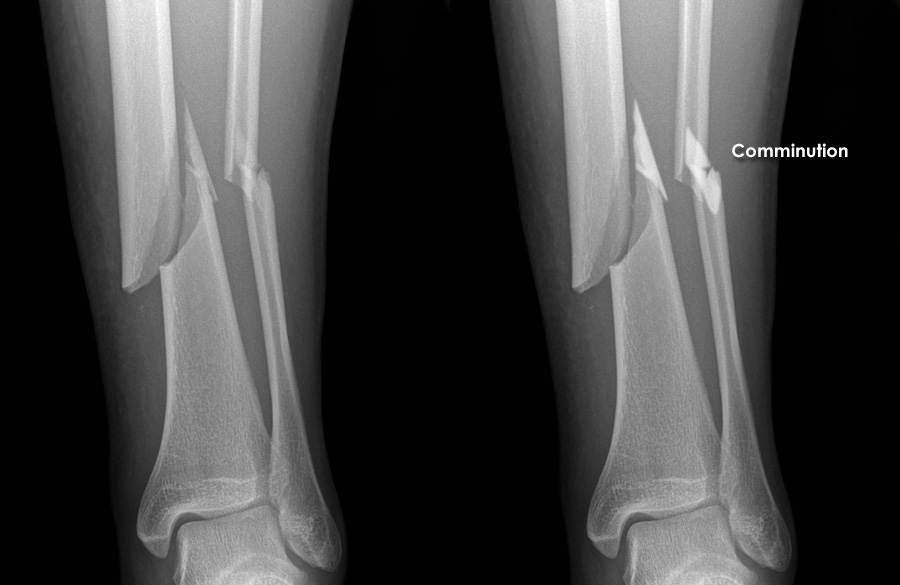
- Deformity: Fractures or dislocations may cause visible changes in limb alignment.
Diagnosis of Lower Limb Injuries
At Melbourne Orthopaedic Clinic, our diagnostic approach includes:
- Physical Examination: Assessing pain, joint stability, and range of motion.
- Imaging: X-rays, MRI, and CT scans provide detailed views of bone and soft tissue damage for precise diagnosis.
Treatment Options for Lower Limb Injuries
We offer a range of treatment options, prioritising both non-surgical and surgical approaches to facilitate healing and recovery.
Non-Surgical Treatments
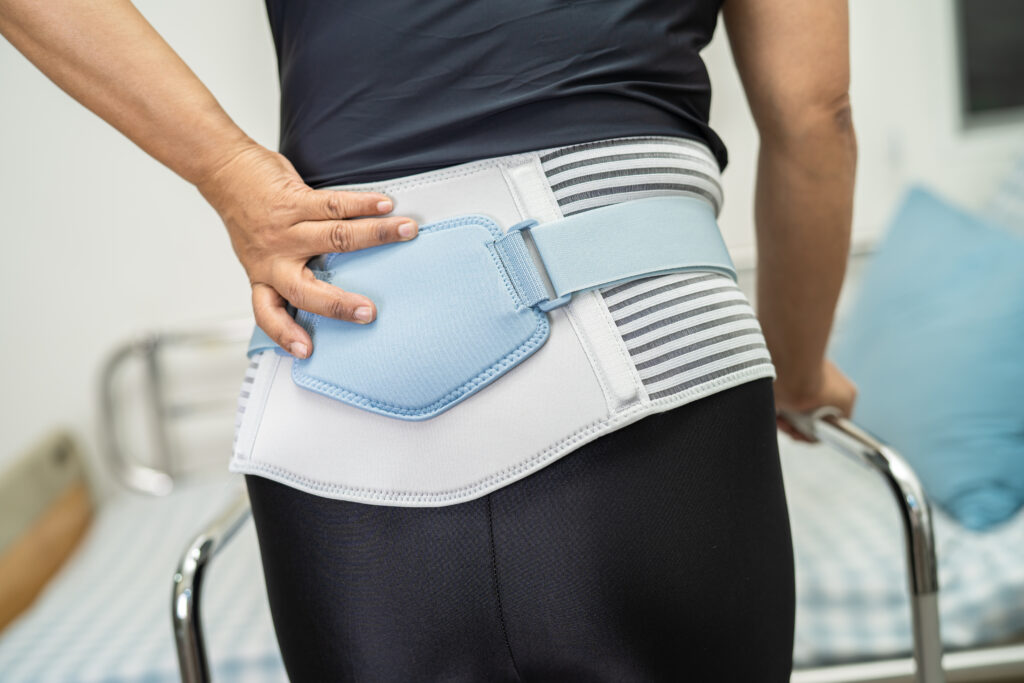
- Immobilisation: Casts, braces, or splints are used to stabilise fractures and support healing.
- Physiotherapy: Exercise programs designed to strengthen muscles and restore flexibility.
- Pain Management: Medications and cryotherapy to alleviate pain and manage swelling.
Surgical Treatments
- Fracture Fixation: Severe fractures may require plates, screws, or rods to realign and stabilise bones.
- Ligament Reconstruction: Torn ligaments such as the ACL may be surgically reconstructed to restore joint stability.
- Joint Replacement: For severe hip or knee injuries, partial or total joint replacement may be necessary.
Personalised Rehabilitation Programs
Our team at Melbourne Orthopaedic Clinic provide customised rehabilitation, focusing on restoring strength, balance, and mobility to achieve a full recovery and return to an active lifestyle.
With our expertise and advanced techniques, we’re committed to supporting patients through their recovery journey, helping them regain function, confidence, and quality of life after lower limb trauma.