

Shoulder Instability and Dislocation
Understanding causes, symptoms, and treatment options for shoulder instability and labral tears
The shoulder is one of the most mobile joints in the body, which also makes it vulnerable to instability and dislocation. Shoulder instability occurs when the humerus (upper arm bone) slips out of its secure position in the socket, often leading to pain, labral tears, and recurrent dislocations. The labrum is a ring of cartilage that helps stabilise the joint by deepening the socket. A tear in the labrum can reduce shoulder stability, causing discomfort, weakness, and difficulty with movement.
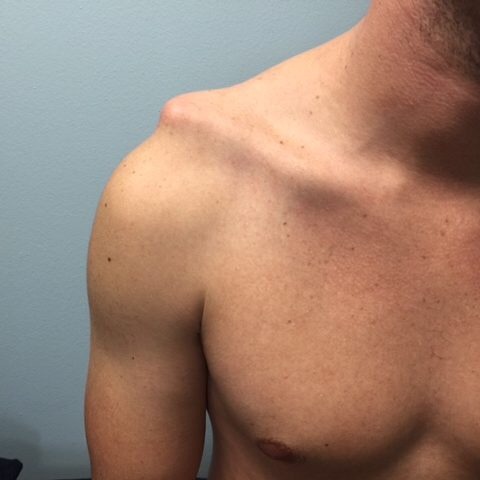
Causes of Shoulder Instability And Labral Tears
The shoulder’s extensive range of motion allows for versatile movement, but this flexibility also increases its vulnerability to instability. Common causes include:
- Trauma: Shoulder instability can result from a fall or a direct blow that pushes the shoulder out of its socket, leading to injury or dislocation.
- Repetitive motion: Sports or activities involving repeated overhead movements, such as swimming, tennis, and baseball, can place excessive strain on the shoulder, leading to instability over time.
- Congenital looseness: Some people have naturally loose shoulder ligaments, making them more susceptible to shoulder instability and potential labral tears.
Types of labral tears
The labrum, a thick ring of cartilage surrounding the shoulder socket, stabilises the joint by deepening the socket and serving as an attachment site for shoulder ligaments. Common types of labral tears include:
- SLAP tear (Superior Labrum Anterior and Posterior): Occurring at the top of the labrum where the biceps tendon attaches, this tear is common in those with repetitive overhead motion.
- Bankart tear: Often linked to shoulder dislocations, a Bankart tear affects the lower portion of the labrum and can lead to recurrent dislocations.
- Posterior labral tear: Less common, this tear can result from a posterior dislocation of the shoulder.
Symptoms of Shoulder Instability And Labral Tears
Common signs of shoulder instability and labral tears may include:
- Pain, particularly during overhead motions
- A sensation of looseness or slipping within the shoulder joint
- Clicking, popping, or catching sounds in the shoulder
- Recurrent dislocations, particularly during physical activities
- Weakness or a feeling of instability in the shoulder
Diagnosis of Shoulder Instability And Labral Tears
A thorough assessment by one of our surgeons to determine the cause of shoulder instability and labral tears. Diagnosis often involves:
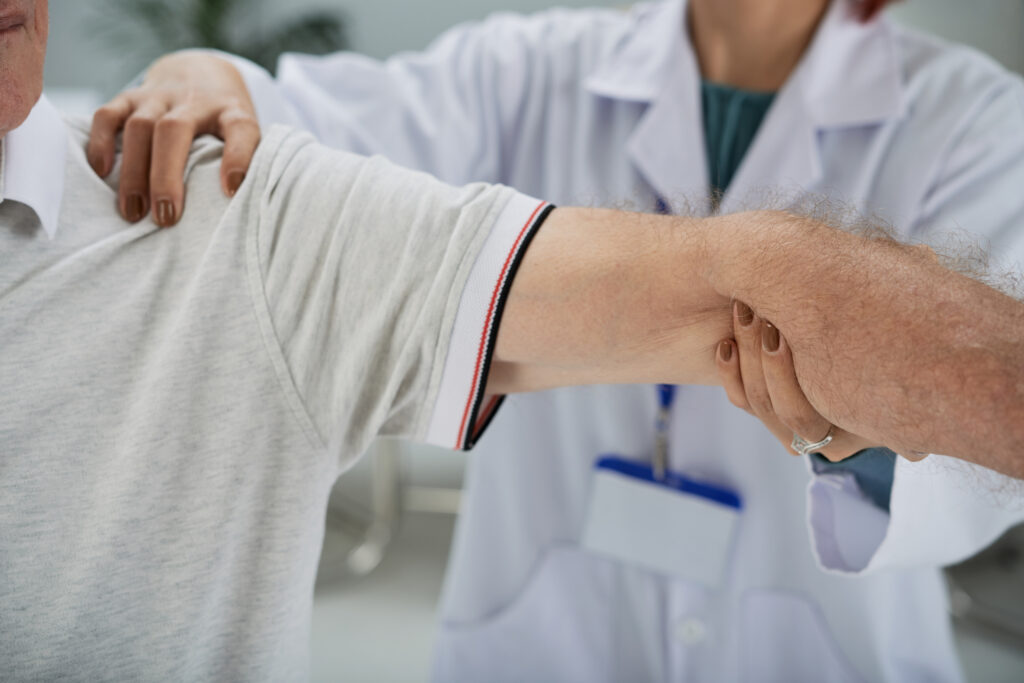
- Physical examination: A comprehensive evaluation to assess range of motion, shoulder stability, and strength.
- Patient history: A discussion regarding symptoms, prior injuries, and activities that may contribute to shoulder instability.
- Imaging tests: X-rays may rule out other potential causes, and an MRI scan can provide a detailed view of the soft tissues and cartilage, confirming the presence and extent of a labral tear.
Shoulder Instability And Labral Tears Treatment Options
Non-Surgical Treatments
Many cases of shoulder instability and labral tears can be effectively managed without surgery. Melbourne Orthopaedic Clinic offers non-surgical treatments designed to stabilise the shoulder, relieve pain, and prevent further injury. These include:
- Physiotherapy: A customised programme focusing on strengthening the shoulder’s muscles to enhance stability and support.
- Activity modification: Avoiding activities that may worsen instability can significantly reduce the risk of dislocations.
- Medication: Anti-inflammatory medications can help reduce swelling and manage pain associated with labral tears and instability.
Surgical Treatments
In cases where non-surgical treatments do not provide adequate relief, or if the shoulder dislocates repeatedly, surgery may be recommended. Melbourne Orthopaedic Clinic offers several surgical options to repair labral tears and restore shoulder stability:
- Arthroscopic repair: A minimally invasive procedure using small incisions to repair the labrum and address instability, helping patients recover with minimal scarring.
- Open surgery: For more extensive repairs, open surgery may be necessary to provide lasting stability and prevent recurrent dislocations.
Rehabilitation and Recovery
Recovery following either non-surgical or surgical treatment for shoulder instability requires commitment to physiotherapy and activity modifications. Melbourne Orthopaedic Clinic will provide a personalised rehabilitation plan, guiding you towards full recovery. While healing times vary, a complete recovery from surgery can take several months, ultimately allowing you to regain shoulder strength, stability, and mobility.
If shoulder instability or dislocations are impacting your quality of life, contact Melbourne Orthopaedic Clinic for an evaluation. Early treatment is essential for preventing future injuries and maintaining optimal shoulder health.