

Shoulder Impingement Surgery
Specialised procedures to alleviate shoulder impingement, enhance mobility, and minimise pain
Shoulder impingement occurs when the tendons or bursa in the shoulder become compressed during arm movement. This can lead to pain, inflammation, and restricted range of motion. The condition may develop from repetitive overhead activities, overuse, or structural changes in the shoulder, and it can have a significant impact on everyday tasks and overall comfort.
In many cases, symptoms improve with non-surgical treatments such as physiotherapy, activity modification, or injections. If these measures do not provide sufficient relief, surgery may be considered to create more space in the joint, reduce irritation, and improve shoulder function.
What is Shoulder Impingement?
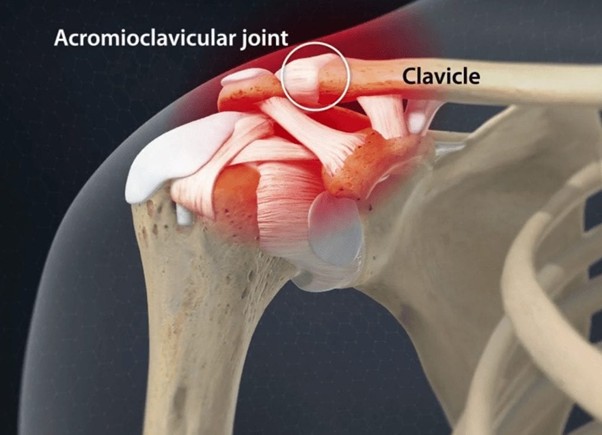
Shoulder impingement occurs when the tendons of the rotator cuff or the bursa (a fluid-filled sac) become irritated or compressed beneath the acromion, a part of the shoulder blade. This compression can lead to pain, swelling, weakness, and limited range of motion in the shoulder. Activities that involve repetitive overhead movements or trauma to the shoulder can increase the risk of developing impingement.
Indications for Shoulder Impingement Surgery
Shoulder impingement surgery may be recommended when:
- Conservative treatments such as physiotherapy, medication, and injections fail to alleviate symptoms.
- The pain is interfering with everyday tasks and quality of life.
- The condition has caused significant damage to the tendons or bursa.
- There is chronic inflammation or mechanical blockages restricting the shoulder’s range of motion.
Shoulder Impingement Surgical Procedures
At Melbourne Orthopaedic Clinic, we offer several specialised surgical options to treat shoulder impingement. The most appropriate procedure depends on the cause and severity of your condition.
Bursal Removal (Bursectomy)
The bursa is a small sac that cushions the tendons in the shoulder. When inflamed due to impingement, it can cause significant pain and swelling. In a bursectomy, the inflamed bursa is surgically removed to reduce pressure and create more space for the tendons. This procedure can help alleviate discomfort, improve shoulder mobility, and prevent the recurrence of impingement.
Distal Clavicle Excision (DCE)
In some cases, shoulder impingement is caused by the distal end of the clavicle (the collarbone) pressing against the rotator cuff tendons or bursa. A distal clavicle excision involves removing a small portion of the outer end of the collarbone to relieve compression, reduce pain, and improve the range of motion in the shoulder. This procedure is often highly effective for patients with impingement caused by structural abnormalities in the clavicle.
Capsular Release
Shoulder impingement may also be associated with stiffness in the shoulder joint, often referred to as a “frozen shoulder.” In these cases, a capsular release may be necessary. During this procedure, tight sections of the shoulder joint capsule are released to allow for increased movement and reduced pain. Capsular release can be a valuable option for patients whose impingement is compounded by restricted motion or adhesive capsulitis.
Recovery After Shoulder Impingement Surgery
Recovery after shoulder impingement surgery usually involves a structured rehabilitation programme. The aim of rehabilitation is to restore shoulder strength, flexibility, and function while allowing the joint to heal properly. Physiotherapy plays an important role in this process, guiding exercises that gradually improve movement and reduce the risk of stiffness. Recovery timelines vary, but most people will need to follow a progressive plan before returning to regular activities.

Long-Term Outcomes
Surgical intervention for shoulder impingement is highly successful in reducing pain, improving mobility, and restoring function. Most patients experience significant relief from their symptoms and are able to resume their daily activities, including sports and work-related tasks. However, the success of the surgery and recovery process largely depends on adhering to the rehabilitation plan and following the surgeon’s post-operative instructions.
Risks and Complications
As with any surgical procedure, shoulder impingement surgery carries certain risks, including:
- Infection at the surgical site
- Nerve or blood vessel injury
- Stiffness or loss of range of motion
- Recurrence of impingement or pain
- Scarring or discomfort around the incision site
Your surgeon will thoroughly discuss these potential risks with you before the procedure and take all necessary precautions to minimise complications.
Shoulder impingement surgery may provide relief for people experiencing ongoing pain, inflammation, and limited movement that has not improved with non-surgical treatments. The procedure aims to address the underlying cause of impingement, such as bursal inflammation, bone changes at the clavicle, or joint stiffness, with the goal of improving shoulder movement and reducing discomfort. Recovery usually involves a period of physiotherapy to restore strength and flexibility, and outcomes can vary depending on the severity of the condition and individual healing.
If you are considering surgery, your surgeon will discuss the potential benefits, risks, and alternatives to help determine whether this approach is suitable for you.