

Shoulder and Biceps Tendon Injuries
Injuries to the shoulder and biceps tendons causing pain, weakness, and restricted movement
The shoulder is one of the most versatile joints in the body, offering a wide range of motion that allows us to perform numerous daily activities. The biceps tendon, which connects the biceps muscle to the bones in the shoulder and elbow, plays a vital role in stabilising and moving the arm. Any injury to the shoulder or biceps tendon can lead to significant pain, weakness, and loss of function, making it challenging to perform even simple tasks like lifting, reaching, or rotating the arm.
Melbourne Orthopaedic Clinic specialises in diagnosing and treating shoulder and biceps tendon injuries. Our comprehensive approach ensures you receive the best possible care, tailored to your individual needs.

Causes of Shoulder and Biceps Tendon Injuries
Injuries to the shoulder and biceps tendons can result from various factors, including acute trauma, overuse, or degenerative changes. The most common causes include:
- Trauma: Sudden injuries, such as falling on an outstretched arm or sustaining a direct blow to the shoulder, can lead to tendon tears in the shoulder or biceps. These injuries are often seen in sports or accidents.
- Overuse: Repeated overhead movements, common in sports like swimming, tennis, or weightlifting, can cause wear and tear on the tendons. Over time, this repetitive strain leads to inflammation or even partial tears in the tendons.
- Tendon Degeneration: As we age, the tendons naturally weaken and become more susceptible to injury. Degenerative changes in the tendons, especially in the shoulder or biceps, can result in chronic pain and limited mobility, even without a specific injury event.
Types of Shoulder and Biceps Tendon Injuries
The severity of shoulder and biceps tendon injuries can vary greatly, from mild inflammation to complete tendon tears. At Melbourne Orthopaedic Clinic, we treat a wide range of tendon injuries, including:
- Tendonitis: Inflammation of the shoulder or biceps tendon, often due to overuse or repetitive strain. Tendonitis results in pain, swelling, and reduced range of motion, making it difficult to lift or rotate the arm.
- Partial or Complete Tears: Tendon tears can occur gradually from wear and tear or suddenly due to a trauma. A complete biceps tendon tear can lead to a noticeable deformity known as a “Popeye” deformity, where the biceps muscle bunches up.
- Shoulder Impingement Syndrome: This condition arises when the tendons in the shoulder are pinched or compressed during arm movements. Impingement can also involve the biceps tendon, leading to pain and restricted motion.
Symptoms of Shoulder and Biceps Tendon Injuries
The symptoms of a shoulder or biceps tendon injury can range from mild discomfort to severe pain and deformity. Common symptoms include:
- Pain in the front of the shoulder or upper arm, especially when lifting, reaching, or rotating the arm.
- Weakness in the shoulder or biceps, making everyday tasks like lifting objects difficult.
- A popping, clicking, or catching sensation in the shoulder during movement.
- Swelling, tenderness, or bruising around the affected area.
- In cases of complete biceps tendon tears, a noticeable change in the appearance of the biceps muscle.
Diagnosis of Shoulder and Biceps Tendon Injuries
At Melbourne Orthopaedic Clinic, we start with a detailed consultation and physical examination to assess your shoulder and biceps function. Based on the findings, we may recommend advanced imaging tests to accurately diagnose the injury:
- X-rays: Although X-rays do not show soft tissues like tendons, they can help rule out other causes of shoulder pain, such as fractures or arthritis.
- Ultrasound: An ultrasound is a useful tool for visualising soft tissues in real-time. It can detect tendon tears, inflammation, or impingement in the shoulder and biceps tendons.
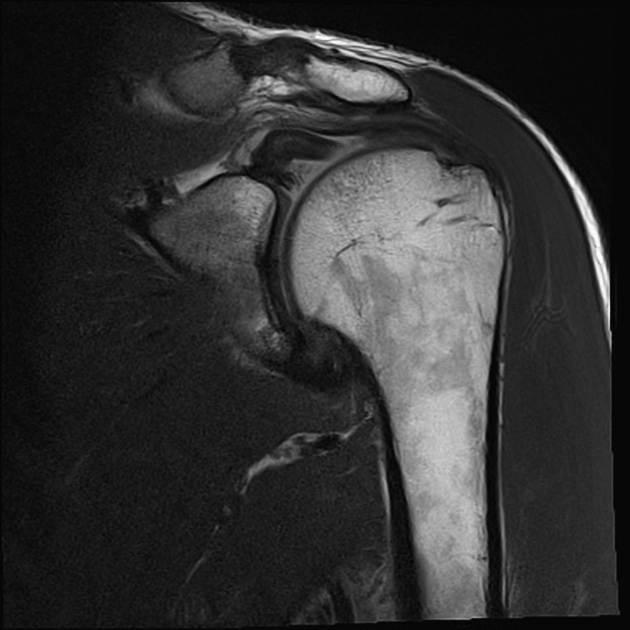
- MRI: Magnetic resonance imaging (MRI) offers detailed images of the soft tissues, including the shoulder and biceps tendons. It helps in assessing the extent of the injury and determining the best course of treatment.
Shoulder and Biceps Tendon Injury Treatment Options
At Melbourne Orthopaedic Clinic, we offer a range of treatment options depending on the severity of the injury and your lifestyle needs. Both non-surgical and surgical treatments are available to ensure optimal recovery.
Non-Surgical Treatments
Many shoulder and biceps tendon injuries can be treated effectively without surgery. Non-surgical options may include:
- Rest and Activity Modification: Avoiding activities that put strain on the injured tendon allows the body time to heal.
- Physiotherapy: A personalised physiotherapy program can help restore strength, flexibility, and range of motion in the shoulder and biceps.
- Medications: Non-steroidal anti-inflammatory drugs (NSAIDs) can help manage pain and reduce inflammation around the tendons.
- Corticosteroid Injections: For more severe cases of inflammation, corticosteroid injections may be used to provide pain relief and reduce swelling.
Surgical Treatments
For cases where the tendon is severely torn or non-surgical treatments are not effective, surgery may be required to restore function and relieve pain.
- Arthroscopic Tendon Repair: A minimally invasive surgery where the torn tendon is repaired using small incisions and specialised instruments. This procedure allows for quicker recovery and less postoperative pain.
- Open Surgery: In cases of more extensive tears, open surgery may be necessary to repair the tendon. This approach may be needed for larger or more complex injuries.
- Biceps Tenodesis: This surgical procedure involves reattaching the biceps tendon to the upper arm bone (humerus) when the tendon is too damaged to be repaired naturally.
Recovery and Rehabilitation
Recovery from shoulder and biceps tendon injuries depends on the severity of the injury and the treatment approach. At Melbourne Orthopaedic Clinic, we are dedicated to providing comprehensive care for shoulder and biceps tendon injuries, ensuring that you receive the most effective treatment tailored to your needs.