

Rotator Cuff Repair
An advanced procedure used to restore rotator cuff function and relieve pain
Rotator cuff injuries can limit shoulder movement and cause ongoing pain, weakness, and discomfort. These injuries may develop from repetitive overhead use, a sudden injury, or gradual wear and tear with age.
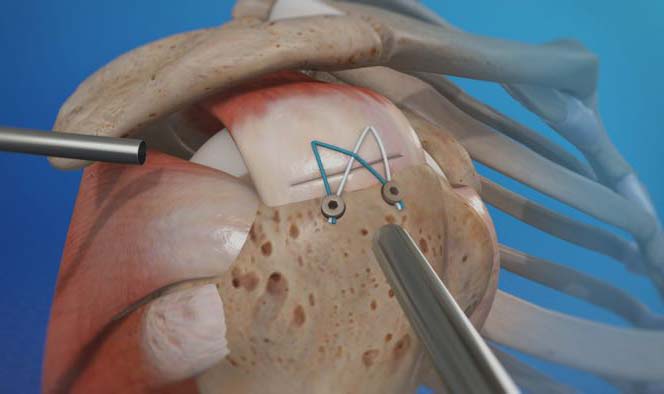
When non-surgical treatments such as physiotherapy, anti-inflammatory medication, or cortisone injections do not provide adequate relief, rotator cuff repair surgery may be considered. This procedure involves reattaching the torn tendon to the bone, with the aim of improving shoulder strength, stability, and function.
Depending on the type and severity of the injury, surgery may be performed through a traditional open technique or a minimally invasive (arthroscopic) approach.
What is a Rotator Cuff Injury?
The rotator cuff is a group of muscles and tendons that stabilise the shoulder joint and allow for its movement. When these tendons are torn or damaged, it can lead to pain, weakness, and restricted shoulder motion. Rotator cuff injuries may occur from overuse, trauma, or the natural wear and tear that comes with age. Symptoms typically include pain while lifting the arm, weakness, limited mobility, and a decreased ability to perform daily activities.
Indications for Rotator Cuff Tendon Repair Surgery
Rotator cuff tendon repair surgery is recommended when:
- Conservative treatments have failed to relieve symptoms.
- The tear is large, chronic, or does not heal with physical therapy.
- There is significant weakness or dysfunction in the shoulder.
- The tear is causing pain that affects your ability to perform daily activities.
Rotator Cuff Tendon Repair Procedures
Melbourne Orthopaedic Clinic provides several surgical options for repairing the rotator cuff, each tailored to address the severity and specifics of the injury. Below are the primary procedures available:
Open Rotator Cuff Repair
Open rotator cuff repair is a traditional approach in which a larger incision is made to directly access the damaged tendon. The surgeon will carefully reattach the torn tendon to the humeral head (the top of the arm bone) using sutures, ensuring proper alignment and tension for optimal healing. This technique is typically recommended for larger or more complex tears that require more extensive repair and for patients with a history of unsuccessful conservative treatment.
Arthroscopic Rotator Cuff Repair
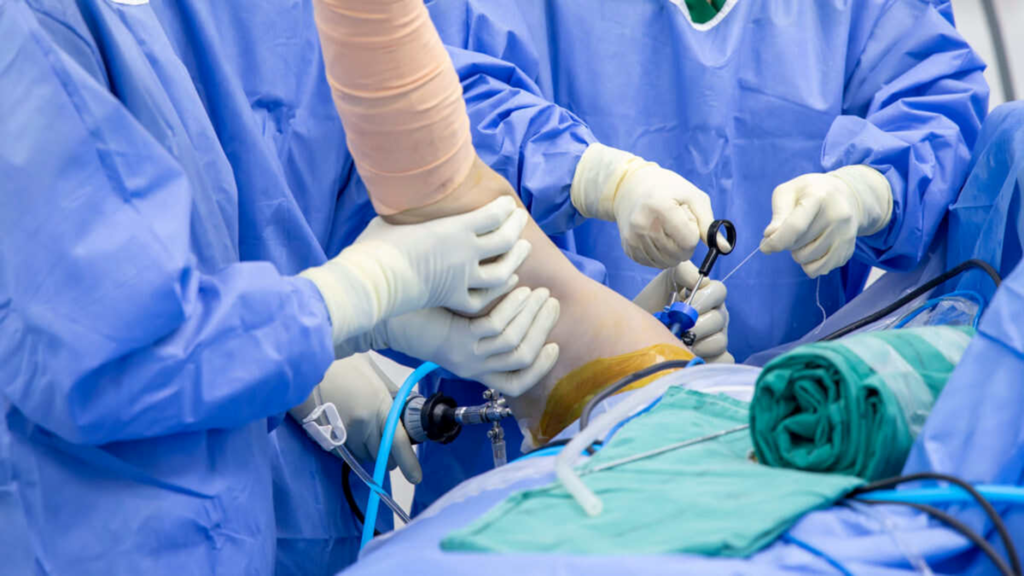
For a less invasive option, Melbourne Orthopaedic Clinic offers arthroscopic rotator cuff repair. This technique uses small incisions and an arthroscope (a tiny camera) to guide the surgery, allowing the surgeon to view the joint in high definition on a monitor. Arthroscopic surgery minimises tissue damage, reduces recovery time, and promotes a faster rehabilitation process, making it ideal for most cases of rotator cuff injury.
Tendon Grafting
In cases where the rotator cuff tendon is severely retracted, or the tissue is insufficient for direct repair, tendon grafting may be necessary. This procedure involves using a graft (either from another tendon in your body or synthetic material) to reconstruct the damaged rotator cuff. Tendon grafting provides additional support to the shoulder joint and promotes healing by bridging the gap in the torn tendon, restoring function and strength.
Recover After Rotator Cuff Tendon Repair Surgery
After rotator cuff tendon repair surgery, an essential part of recovery is a tailored rehabilitation programme designed to restore shoulder strength, mobility, and function. Melbourne Orthopaedic Clinic collaborates with physiotherapists to develop a personalised rehabilitation plan that focuses on gradually reintroducing movement while protecting the repaired tendon. The goal is to ensure optimal recovery and to help you regain full shoulder function as quickly as possible. Postoperative rehabilitation typically includes:
- Early range-of-motion exercises to prevent stiffness.
- Strengthening exercises to restore muscle function.
- Gradual return to daily activities and sports.
Long-Term Outcomes
Rotator cuff tendon repair surgery generally results in significant improvement, with most patients experiencing a reduction in pain and an increase in shoulder strength and function. With the right treatment and rehabilitation, many patients can return to their normal activities, including sports and work, with restored shoulder mobility and reduced pain. However, it’s important to follow all postoperative instructions to ensure the best outcome.
Risks and Complications
As with any operation, rotator cuff tendon repair surgery involves certain risks. These may include:
Infection at the surgical site
Nerve or blood vessel injury
Re-tearing of the tendon
Stiffness or reduced range of motion
Delayed healing or complications with tendon repair
Your surgeon will explain these risks in detail and outline the steps taken to reduce them during and after the procedure.
For people with significant rotator cuff tears that do not improve with non-surgical care, tendon repair surgery may help reduce pain and improve shoulder strength and function. Depending on the nature of the injury, the procedure can be performed through a traditional open approach or a minimally invasive arthroscopic technique.