

Open Reduction and Internal Fixation (ORIF)
Advanced surgical treatment for complex fractures
Open Reduction and Internal Fixation (ORIF) is a surgical procedure used to treat complex fractures that cannot be managed with non-surgical methods. At Melbourne Orthopaedic Clinic, our skilled surgeons perform ORIF using precise techniques and advanced materials to stabilise bones, enabling effective healing and recovery of function.
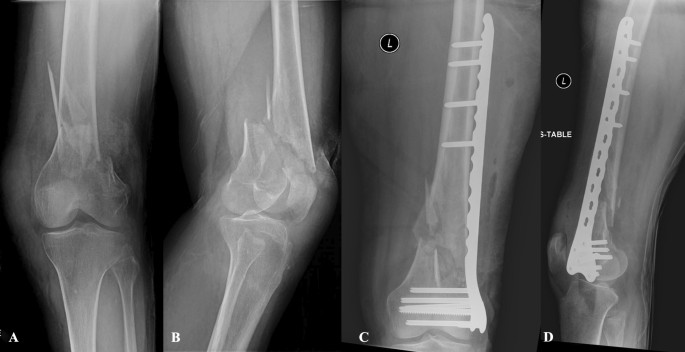
What is ORIF?
Open Reduction and Internal Fixation (ORIF) involves a two-step approach:
- Open Reduction: The surgeon repositions the fractured bones into their correct alignment.
- Internal Fixation: Metal hardware (such as plates, screws, or rods) is used to stabilise the bones and maintain alignment during the healing process.
ORIF is commonly indicated for fractures that are displaced, complex, or involve weight-bearing joints, ensuring the bone heals in the proper position for optimal function.
Indications for ORIF
ORIF may be recommended for patients with:
- Displaced Fractures: Misaligned bones that cannot heal correctly without intervention.
- Comminuted Fractures: Bones that are shattered into multiple fragments.
- Open Fractures: Bones that have broken through the skin, increasing the risk of infection.
- Fractures of Major Joints: Such as the hip, knee, or ankle, where alignment and stability are critical for movement.
The ORIF Procedure
- Anaesthesia: The surgery is performed under general or regional anaesthesia for patient comfort.
- Incision: A targeted incision is made over the fracture site to access the broken bone.
- Bone Realignment: The surgeon repositions the fractured bone fragments into their proper anatomical alignment.
- Fixation: Metal plates, screws, or rods are then secured to hold the bone fragments together.
- Closure: The incision is closed with sutures, and a dressing is applied to protect the surgical site.
Recovery and Rehabilitation
- Initial Recovery: Patients are monitored post-surgery, with pain management and physical therapy tailored to each individual.
- Weight-Bearing Protocols: Depending on the fracture location, weight-bearing may be restricted initially and gradually reintroduced under supervision.
- Physiotherapy: A personalised rehabilitation program is essential to restore mobility, strength, and joint function.
- Follow-up Visits: Regular check-ups ensure the bone is healing correctly and the hardware remains secure.

Long-Term Outcomes
Many patients experience improved bone stability and return to normal activities after ORIF. The procedure helps restore the bone’s structural integrity, which is vital for movement, strength, and quality of life.
Risks and Complications
Like all surgical procedures, ORIF carries potential risks, including:
- Infection at the surgical site
- Hardware irritation or failure
- Delayed or non-union of the fracture
- Nerve or blood vessel injury
Our team at Melbourne Orthopaedic Clinic takes extensive measures to minimise these risks, with dedicated pre- and post-operative care to support a smooth recovery.
Open Reduction and Internal Fixation (ORIF) is a reliable solution for patients with complex fractures that require precise alignment and stabilisation. At Melbourne Orthopaedic Clinic, our experienced surgeons are committed to achieving optimal outcomes through advanced orthopaedic trauma care, helping patients regain mobility and return to their daily activities.