

Multiple Ligament Knee Reconstruction Surgery
Restoring stability and function in complex knee injuries
Multiple ligament knee reconstruction is a complex surgical procedure performed to repair two or more torn ligaments in the knee. This surgery is typically required when knee injuries involve severe trauma, such as a high-impact sports injury, motor vehicle accident, or severe fall. The goal of the surgery is to restore the stability of the knee joint, allowing for improved function and a return to normal activities.
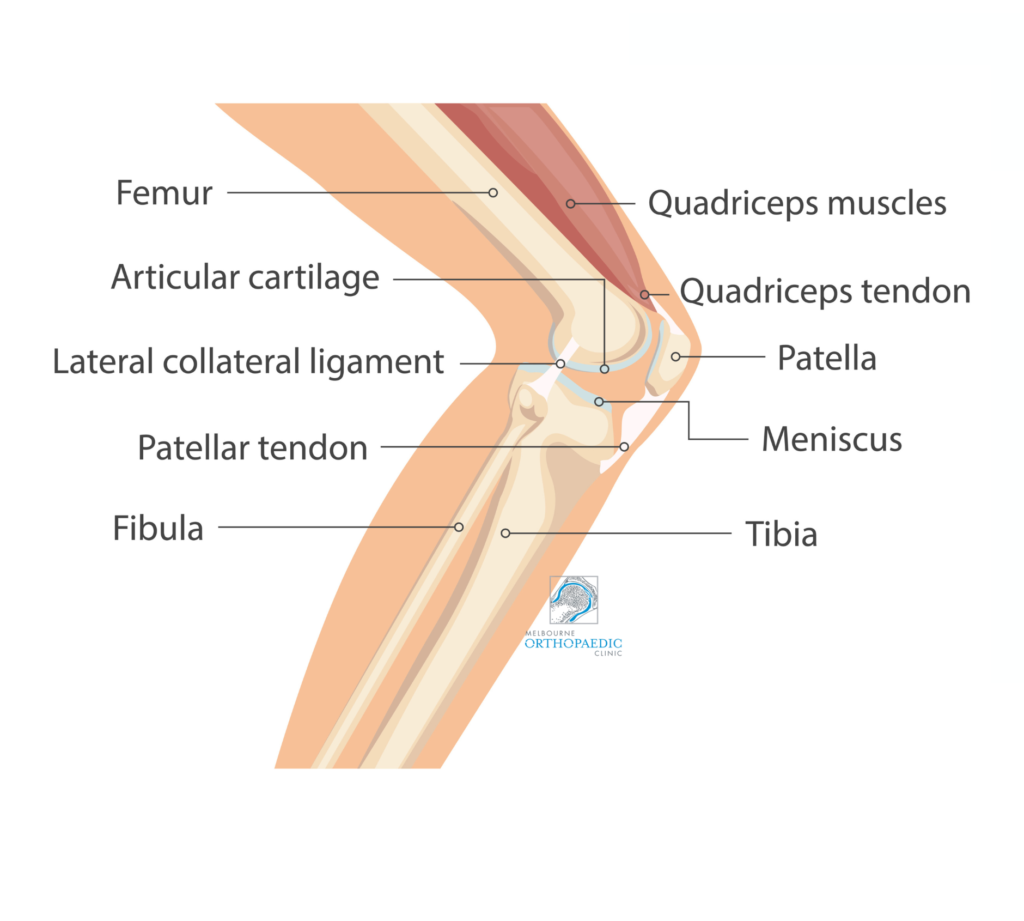
What is Multiple Ligament Knee Reconstruction Surgery?
Multiple ligament knee reconstruction is a specialised orthopaedic procedure used to treat significant injuries where two or more of the knee’s major ligaments have been torn or severely damaged. This type of injury often results from high-impact trauma such as motor vehicle accidents, falls from height, or contact sports injuries. The knee is a complex and highly mobile joint that relies on a combination of ligaments to remain stable.
The four primary ligaments of the knee include:
- Anterior Cruciate Ligament (ACL) – located in the centre of the knee, it controls forward motion and rotation of the shinbone (tibia).
- Posterior Cruciate Ligament (PCL) – also central, it prevents the tibia from moving backward.
- Medial Collateral Ligament (MCL) – runs along the inner side of the knee, providing stability against inward forces.
- Lateral Collateral Ligament (LCL) – located on the outer side of the knee, it stabilises the knee against outward forces.
In complex knee injuries, any combination of these ligaments may be affected, often leading to severe pain, joint instability, and difficulty bearing weight.
Indications for Multiple Ligament Knee Reconstruction Surgery
- Severe Knee Instability: The knee joint becomes unstable due to multiple ligament injuries, making it difficult to walk or perform daily activities.
- Failed Conservative Treatments: Non-surgical approaches, such as physical therapy or bracing, fail to restore knee stability.
- Significant Functional Impairment: Patients experience difficulty in performing sports or other activities due to knee instability and pain.
- Chronic or Recurrent Injuries: When ligaments do not heal properly, or the knee continues to give way, surgery may be needed to restore stability.
The Multiple Ligament Knee Reconstruction Procedure
Depending on the number of ligaments involved and the nature of the injury (acute vs chronic), surgery may be performed in a single operation or in multiple stages. During the procedure, your orthopaedic surgeon will carefully reconstruct each damaged ligament using grafts, placing them in the correct anatomical position and securing them with screws or other fixation devices. Modern surgical techniques may use arthroscopic assistance (keyhole surgery) in combination with open approaches, depending on the complexity of the reconstruction.
The procedure for multiple ligament knee reconstruction generally involves the following steps:
- Anaesthesia: The patient is typically given general anaesthesia, though regional anaesthesia (spinal block) may be used depending on the specific case.
- Incision: The surgeon makes an incision over the knee to access the damaged ligaments. In some cases, multiple incisions may be needed to access different parts of the knee joint.
- Ligament Repair or Reconstruction: The surgeon will carefully assess the damage and may choose to either repair the ligaments (suturing the torn ends together) or reconstruct them using grafts. These grafts can come from the patient’s own tissue (autograft), a donor (allograft), or synthetic material.
- ACL Reconstruction: The torn ACL is replaced with a graft, typically from the patellar tendon, hamstring tendon, or quadriceps tendon.
- PCL Reconstruction: If the PCL is involved, a graft is used to reconstruct the ligament.
- MCL and LCL Reconstruction: The MCL and LCL may also be reconstructed if they are torn.
- Knee Stabilisation: The new grafts are securely fixed in place with screws, sutures, or other fixation devices to restore the stability of the knee joint.
- Closure: Once the ligaments are repaired or reconstructed, the surgeon closes the incisions with sutures or staples and applies a sterile dressing to the knee.
Recovery After Multiple Ligament Knee Reconstruction Surgery
Recovery from multiple ligament knee reconstruction is typically longer than for isolated ligament injuries. It involves a carefully structured rehabilitation program guided by your surgeon and physiotherapist. Key aspects of recovery include:
- Initial protection – using a knee brace and crutches to allow healing of the grafts
- Pain Management – Pain
- Progressive physiotherapy – to restore range of motion, muscle strength, and joint control
Ongoing review – to monitor graft healing, prevent complications, and adjust activity levels
Return to sport or physically demanding activities may take 9 to 12 months or longer, depending on the severity of the injury and your progress during rehab. Recovery from multiple ligament knee reconstruction surgery is a gradual process that involves several stages. Patients should expect:
- Hospital Stay: Typically, patients will stay in the hospital for 1 to 3 days following surgery, depending on the extent of the surgery and recovery progress.
- Pain Management: Pain is managed with medications during the early stages of recovery, followed by over-the-counter pain relievers once the acute pain subsides.
- Weight-Bearing: Weight-bearing restrictions will depend on the ligaments that were reconstructed and the surgeon’s preferences. Initially, patients may need to use crutches or a brace to avoid putting weight on the knee for several weeks.
- Rehabilitation: A structured rehabilitation program is crucial for recovery. Physical therapy will begin soon after surgery to focus on:
- Range of Motion: Restoring flexibility and movement in the knee.
- Strengthening: Strengthening the muscles around the knee, including the quadriceps and hamstrings, to support the reconstructed ligaments.
- Functional Training: Gradually working toward returning to normal activities and sports with an emphasis on balance, agility, and stability.
- Full Recovery: Recovery from multiple ligament knee reconstruction can take from 6 months to 1 year, depending on the severity of the injury, the success of the surgery, and the patient’s commitment to rehabilitation.

Long-term Outcomes
Most patients experience a significant reduction in knee instability, pain, and swelling after multiple ligament knee reconstruction. The surgery typically improves the knee’s strength and function, allowing patients to return to daily activities, work, and recreational activities. However, patients may need to make modifications to high-impact activities, especially if there is significant cartilage damage or if rehabilitation is incomplete.
- Return to Sports: Athletes can generally return to sports, particularly low-impact ones, within 6 to 12 months, but may need to wait longer for high-impact sports, such as football or basketball.
- Knee Function: Long-term knee function is generally positive, with many patients regaining normal mobility. However, the risk of developing arthritis or further joint degeneration may increase, especially if there was extensive cartilage damage or if the ligaments were not reconstructed early enough.
Risks and Complications
As with any surgical procedure, multiple ligament knee reconstruction carries some risks and potential complications, including:
- Infection at the surgical site
- Blood clots (deep vein thrombosis)
- Knee stiffness or limited range of motion
- Failure of grafts or reconstruction
- Persistent instability
- Nerve or blood vessel damage
- Arthritis or joint degeneration over time
The surgical team will provide detailed information on how to manage these risks and guide patients throughout the recovery process.
Multiple ligament knee reconstruction is a highly effective procedure for restoring knee stability after traumatic injuries. With expert care and diligent rehabilitation, patients can expect significant improvement in knee function, reducing pain and returning to an active lifestyle.