
MCL, PCL, and Multi-Ligament Knee Injuries
Injuries to the MCL, PCL, and Multiple Knee Ligaments
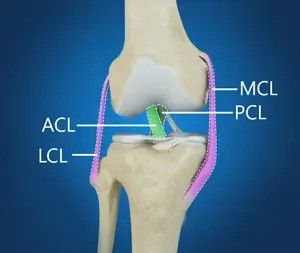
The knee is stabilised by four key ligaments: the medial collateral ligament (MCL), posterior cruciate ligament (PCL), anterior cruciate ligament (ACL), and lateral collateral ligament (LCL). These ligaments work together to maintain knee stability and functionality. Injuries involving the MCL, PCL, or multiple ligaments can significantly disrupt your knee’s ability to function, leading to pain and instability. Specialised treatment is essential to restore movement and maintain long-term knee health. Our clinic offers expert care for complex ligament injuries, using tailored treatments designed to help you regain strength, mobility, and quality of life.
On this page, you’ll learn about:
What Are MCL, PCL, and Multi-Ligament Knee Injuries?
- MCL Injury: The medial collateral ligament (MCL) runs along the inside of the knee, connecting the femur (thigh bone) to the tibia (shin bone). It helps stabilise the knee during side-to-side movements. MCL injuries often occur due to a direct blow to the outer knee, common in contact sports like football or rugby. These injuries range from mild strains to complete tears, resulting in pain, swelling, and instability.
- PCL Injury: The posterior cruciate ligament (PCL) is located at the back of the knee and helps prevent the tibia from moving too far back relative to the femur. PCL injuries are typically caused by direct trauma, often when the knee is bent, such as in car accidents or rugby. Although less common than ACL injuries, PCL tears can still be severe.
- Multi-Ligament Knee Injuries: These occur when more than one ligament in the knee is injured, often due to high-impact trauma, such as falls, car accidents, or severe sports injuries. Multi-ligament injuries can cause significant knee instability and limit your ability to walk or perform daily activities.
Symptoms of MCL, PCL, and Multi-Ligament Knee Injuries
If you’ve sustained an injury to the ligaments in your knee, you may experience a range of symptoms, including:
- Pain: MCL injuries often cause pain on the inner side of the knee, while PCL injuries typically result in pain at the back of the knee. Multi-ligament injuries may lead to more widespread knee pain.
- Swelling: Swelling can develop quickly after an injury, particularly in cases involving multiple ligaments.
- Instability: You may feel as though your knee is unstable, giving way, or unable to support your weight.
- Limited Range of Motion: Bending or straightening the knee can be difficult, especially with PCL injuries.
- Bruising and Tenderness: MCL injuries may cause tenderness along the inner knee, while PCL injuries often result in tenderness at the back of the knee.
Diagnosis of Knee Ligament Injuries
To diagnose your ligament injury, our specialists will take a detailed medical history and perform a physical examination to assess knee stability and determine which ligaments are damaged. Imaging tests, such as X-rays or MRI scans, may be necessary to confirm the extent of the injury and identify any associated damage to the cartilage or meniscus.
Treatment Options for MCL, PCL, and Multi-Ligament Injuries
Treatment for ligament injuries depends on the extent of the damage and your personal goals. At our clinic, we offer both non-surgical and surgical options to ensure the best outcome for your situation.
Non-Surgical Treatment:
For mild to moderate injuries that don’t result in significant instability, surgery may not be necessary. We may recommend:
- R.I.C.E (Rest, Ice, Compression, Elevation): To manage swelling and relieve pain.
- Knee Bracing: A brace can stabilise your knee while it heals.
- Physiotherapy: A customised rehabilitation plan with exercises to strengthen the muscles around your knee, improving stability and range of motion. This approach is highly effective for isolated MCL or PCL injuries.
- Anti-inflammatory Medications: NSAIDs can help reduce pain and swelling during recovery.
Surgical Treatment:
For more severe injuries, multi-ligament damage, or ongoing instability, surgery might be necessary. Our approach includes:
- MCL Reconstruction: If the MCL is completely torn or non-surgical treatments fail, surgery may be required to repair or reconstruct the ligament using a graft.
- PCL Reconstruction: Complete PCL tears typically need surgery, as this ligament has limited capacity to heal on its own. Reconstruction with a graft helps restore knee stability.
- Multi-Ligament Reconstruction: For injuries involving multiple ligaments, we may perform a combination of surgical procedures to repair or reconstruct the damaged ligaments.
Preventative Care:
To avoid future injuries, we’ll provide strengthening exercises focused on the muscles surrounding the knee. We’ll also guide you on balance, agility, and proper techniques for sports and high-impact activities.