
Malunion or Nonunion Fracture Surgery
Specialised surgical intervention for improperly healed or unhealed bone fractures
Malunion and nonunion fractures are complex conditions that occur when a broken bone heals improperly (malunion) or fails to heal altogether (nonunion). These conditions can lead to pain, deformity, and limited function. At Melbourne Orthopaedic Clinic, we specialise in advanced surgical techniques to correct malunions and stimulate healing in nonunion fractures, helping patients regain normal function and alleviate pain.
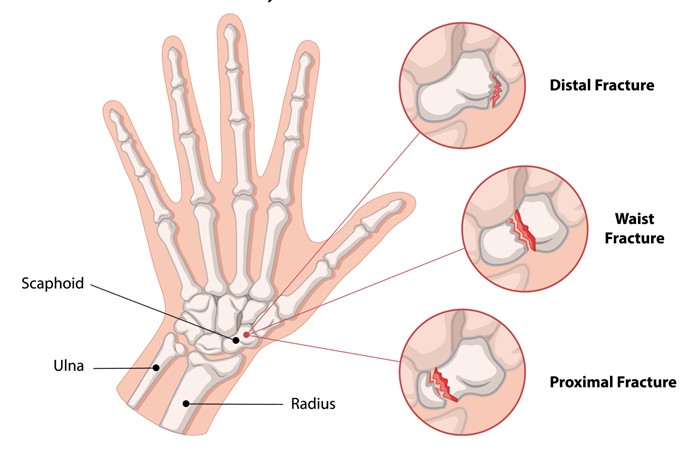
Understanding Malunion and Nonunion Fractures
- Malunion: A fracture that has healed in an incorrect position, leading to bone deformity and impaired movement or strength.
- Nonunion: A fracture that has not healed within the expected time frame, leaving the bone ends unconnected. Nonunions may occur due to inadequate blood supply, infection, or insufficient stability during healing.
Indications for Malunion and Nonunion Fractures Treatment
Surgery may be recommended if malunion or nonunion fractures lead to:
- Persistent Pain: Ongoing pain at the fracture site or in adjacent joints due to misalignment.
- Functional Limitations: Reduced mobility, strength, or range of motion that interferes with daily activities.
- Visible Deformity: Misalignment causing visible changes in limb appearance or limb length discrepancies.
- Instability or Weakness: Lack of bone strength, leading to difficulty bearing weight or performing basic tasks.
The Malunion and Nonunion Fractures Procedure
Malunion and nonunion fracture surgeries are customised according to the severity, location, and nature of the fracture. Steps involved in the procedure typically include:
- Anaesthesia and Incision: General or regional anaesthesia is administered, and an incision is made to access the fracture site.
- Fracture Realignment (Malunion): In cases of malunion, the bone is carefully re-broken or reshaped to align correctly. Advanced imaging may be used to achieve precise alignment.
- Bone Grafting (Nonunion): In nonunion cases, bone grafting may be necessary to stimulate bone healing. The graft, which may come from the patient’s own body or a donor, provides essential materials to bridge the fracture gap and promote healing.
- Internal Fixation: Metal plates, screws, rods, or other fixation devices are used to stabilise the bone in the correct position and ensure proper alignment during healing.
- Soft Tissue Repair: Any damaged soft tissues surrounding the fracture, including muscles, tendons, or ligaments, are repaired if necessary.
- Closure: The incision is closed with sutures, and a bandage or cast is applied to protect the site.
Recovery After Malunion and Nonunion Fractures
Post-surgical recovery from malunion or nonunion fracture surgery involves:
- Pain Management: Pain relief through medication and cold therapy, especially in the initial stages of healing.
- Protective Splints or Casts: A cast or splint may be used to protect the repaired area and promote correct healing.
- Physiotherapy: Once initial healing occurs, physiotherapy helps restore strength, mobility, and range of motion.
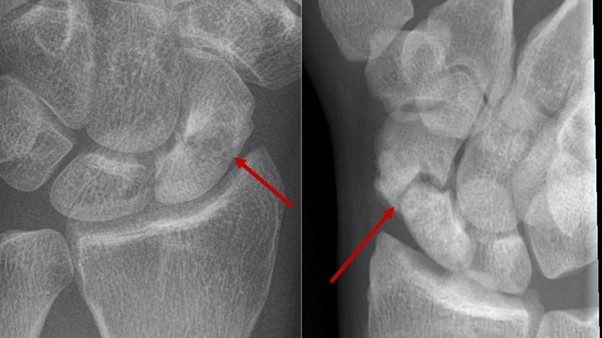
- Monitoring Healing: Follow-up appointments with imaging (X-rays or CT scans) to ensure the bone is healing correctly and to adjust rehabilitation as needed.
Long-Term Outcomes
Successful treatment of malunion or nonunion fractures can significantly enhance mobility, strength, and quality of life. Corrective surgery restores the bone’s natural shape and alignment, allowing patients to return to normal activities with improved function and reduced pain.
Risks and Complications
While generally safe, malunion and nonunion fracture surgery carries potential risks, such as:
- Infection
- Nerve or blood vessel damage
- Bone graft rejection or failure to heal
- Recurrence of nonunion
- Hardware complications, such as loosening or breakage
Prof. Vera Sallen will provide comprehensive guidance to help minimise these risks and ensure the best possible recovery outcome.
Malunion and nonunion fractures can be challenging, but corrective surgery offers a path toward restored function, pain relief, and an improved quality of life. At Melbourne Orthopaedic Clinic, we are dedicated to providing expert care tailored to your unique needs, helping you return to your everyday activities with confidence and comfort.