

Knee Malalignment
(Bow-legs or Knock-knees)
Knee Malalignment: Joint Strain, Pain, and Functional Limitations
Knee malalignment occurs when the knees are not properly aligned with the legs, affecting your gait and potentially causing discomfort, pain, and joint strain. The two most common types of malalignment are bow-legs (genu varum) and knock-knees (genu valgum). These conditions can impact individuals of any age, and if not addressed, may result in long-term joint complications, such as osteoarthritis.
On this page, you’ll learn about:
What Are Bow-Legs and Knock-Knees?
- Bow-Legs (Genu Varum):
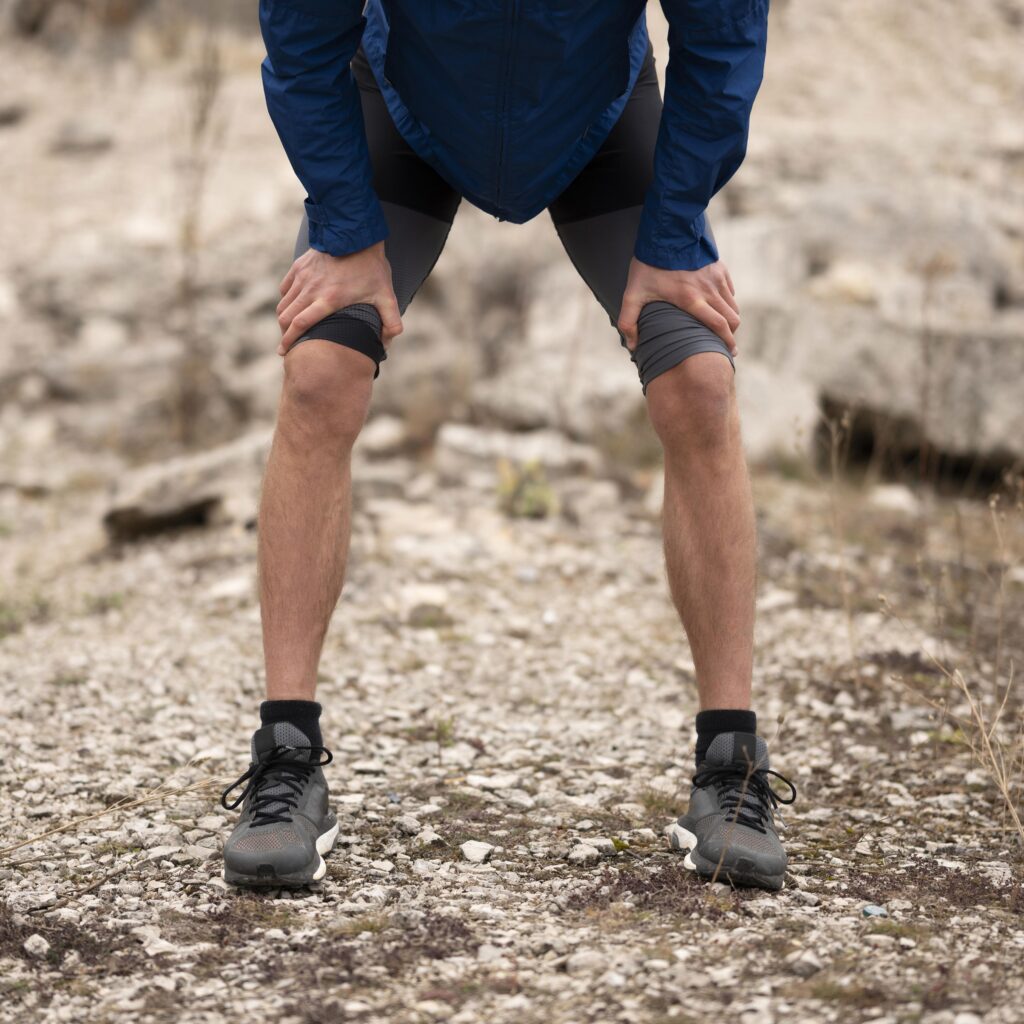
Bow-legs occur when the legs curve outward at the knees, causing the knees to remain apart even when the ankles are together. This misalignment puts extra strain on the inner knee joint, which may lead to pain or joint damage over time. - Knock-Knees (Genu Valgum):
Knock-knees are characterised by knees that touch while the ankles remain apart. This condition creates additional pressure on the outer part of the knee joint, often leading to pain and difficulty with movement.
These alignment issues can arise from various causes, including childhood developmental patterns or underlying medical conditions later in life.
Causes of Knee Malalignment
Several factors contribute to knee malalignment, such as:
- Genetics: A natural predisposition to bow-legs or knock-knees, often becoming more noticeable in childhood.
- Developmental Changes: Knee alignment shifts during growth spurts in children. While some degree of malalignment is normal, it often corrects itself. If not, medical attention may be necessary.
- Osteoarthritis: Wear and tear in the knee joint can exacerbate malalignment, especially in adults.
- Rickets: A deficiency in vitamin D, calcium, or phosphate can weaken bones, leading to bow-legs or knock-knees.
- Injury or Trauma: Prior injuries or fractures may alter knee alignment.
Symptoms of Knee Malalignment
Common signs of knee malalignment include:
- Visible Deformity: Either outward bowing or inward angling of the knees.
- Knee Pain: Discomfort, especially during activities like walking or climbing stairs.
- Stiffness: Reduced knee movement, making it difficult to straighten or bend the leg.
- Instability: A sense of weakness or unsteadiness, increasing the risk of falls.
- Worsening Joint Damage: Untreated malalignment can accelerate wear on the knee joint, potentially leading to early osteoarthritis.
Diagnosing Knee Malalignment
Accurate diagnosis is crucial for determining the best treatment approach. At Melbourne Orthopaedic Clinic, we begin with a comprehensive evaluation of your medical history, symptoms, and activity levels. A physical examination will assess the alignment of your legs and knee stability.
Diagnostic imaging is often used to confirm the diagnosis and assess the condition:
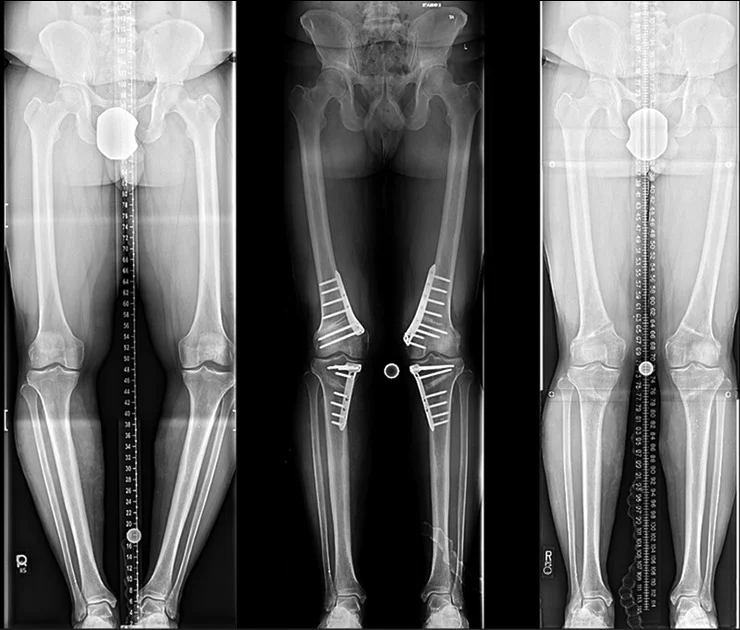
- X-rays: Help determine the extent of malalignment and any joint or bone damage.
- MRI scans: Provide detailed images of the soft tissues around the knee, including cartilage, ligaments, and tendons, to detect additional complications.
Treatment Options for Bow-Legs and Knock-Knees
Treatment for knee malalignment depends on factors such as the severity of the condition, age, and underlying causes. At Melbourne Orthopaedic Clinic, we offer both non-surgical and surgical treatments to correct alignment and alleviate symptoms.
Non-Surgical Treatments
- Physiotherapy: Customised programs to strengthen the muscles around the knee, improving joint stability and reducing stress.
- Bracing: Orthotic devices may be recommended to help correct alignment, particularly in children.
- Weight Management: Maintaining a healthy weight can reduce pressure on the knees, especially for patients with osteoarthritis.
- Medication: Non-steroidal anti-inflammatory drugs (NSAIDs) can help manage pain and inflammation.
Surgical Treatments
If non-surgical options prove ineffective, or the malalignment is severe, surgery may be required to correct the condition and prevent further joint damage.
- Osteotomy: A procedure to reshape the bones around the knee, often recommended for younger patients with early-stage arthritis.
- Partial or Total Knee Replacement: In cases of significant joint damage due to osteoarthritis, this surgery involves replacing damaged joint surfaces with prosthetic components to restore function and alignment.
- Guided Growth Surgery: For children, this procedure can correct malalignment by influencing natural bone growth.
At Melbourne Orthopaedic Clinic, we provide a tailored rehabilitation plan following treatment to help you regain knee strength, mobility, and function. Your recovery will depend on the specific treatment you receive.