
Knee Arthritis
A progressive joint condition that causes pain, swelling, stiffness, and reduced mobility in the knee due to cartilage wear and tear.
Knee arthritis is a prevalent condition that can affect anyone, leading to pain, stiffness, and reduced mobility. It occurs when the protective cartilage that cushions the knee joint gradually deteriorates, causing bones to rub against each other. This friction can result in inflammation, discomfort, and limited range of motion, impacting your ability to carry out everyday activities.
While knee arthritis cannot be reversed, there are various treatments available to help alleviate symptoms and improve quality of life. At Melbourne Orthopaedic Centre, we offer tailored treatment plans to manage the condition and restore as much function as possible.
On this page, you’ll learn about:
Symptoms Of Knee Arthritis
Individuals with knee arthritis may experience a range of symptoms, which can vary based on the severity and progression of the condition. Common symptoms include:
- Persistent Pain: Discomfort in the knee that may intensify during physical activity or after prolonged periods of rest.
- Swelling and Tenderness: Inflammation around the joint is frequent, often resulting in a warm sensation and tenderness to the touch.
- Stiffness: This is particularly noticeable after periods of inactivity, such as when getting out of bed in the morning or after sitting for an extended time.
- Reduced Range of Motion: Over time, movement in the knee may become restricted, making it difficult to perform everyday activities like walking, climbing stairs, or bending.
- Grinding or Popping Sensations: As the cartilage deteriorates, you may notice grinding, clicking, or popping sounds during knee movement.
- Deformity or Instability: In advanced stages, severe arthritis can lead to misalignment of the knee joint, resulting in deformity or a feeling that the knee might “give way.”
Types Of Knee Arthritis
Knee arthritis can manifest in various forms, each with unique characteristics. The two most common types affecting the knee are Osteoarthritis and Inflammatory Arthritis:
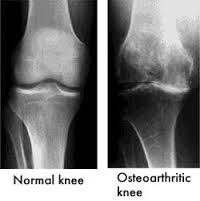
Osteoarthritis is the most prevalent form of knee arthritis, often referred to as “wear-and-tear” arthritis. This degenerative joint disease occurs when the cartilage cushioning the ends of the bones in the knee gradually deteriorates. As the cartilage wears away, the bones begin to rub against each other, leading to pain, swelling, and decreased joint function.
Symptoms of osteoarthritis in the knee often include:
- Persistent Pain: Discomfort that typically worsens after physical activity or later in the day.
- Joint Stiffness: Particularly noticeable in the morning or after prolonged periods of inactivity.
- Swelling and Tenderness: Inflammation around the knee can cause warmth and discomfort.
- Limited Range of Motion: Movement may become restricted, making it difficult to fully bend or straighten the knee.
- Grinding or Popping Sensations: Patients may experience a grinding, clicking, or popping sound during movement, known as crepitus.
Several factors contribute to the development of osteoarthritis, including:
- Ageing: Natural wear and tear on cartilage over time.
- Previous Knee Injuries: Fractures, ligament tears, or meniscal injuries can increase the risk.
- Obesity: Excess weight adds stress to the knee joint, accelerating cartilage deterioration.
- Genetics: A family history of osteoarthritis can increase susceptibility.
- Repetitive Stress: Jobs or sports that involve frequent use of the knee can lead to greater wear and tear.
Treatment for osteoarthritis varies based on the severity of the condition and may include both non-surgical and surgical options to manage symptoms and enhance joint function.
Inflammatory arthritis arises when the body’s immune system mistakenly attacks healthy joint tissue, resulting in inflammation within the knee joint. Unlike osteoarthritis, which is primarily caused by mechanical wear and tear, inflammatory arthritis is driven by autoimmune responses, often leading to more rapid joint damage.
Common Types of Inflammatory Arthritis:
- Rheumatoid Arthritis (RA): A chronic autoimmune condition that primarily affects the synovium, the lining of the joints. RA causes inflammation and pain, which can eventually lead to the destruction of cartilage and bone. This systemic disease can affect other body parts, including the skin, eyes, lungs, and heart. RA often begins in smaller joints, like those in the hands and feet, but can extend to larger joints such as the knees, shoulders, and hips.
- Gout: A type of inflammatory arthritis caused by the accumulation of uric acid in the bloodstream, leading to sharp crystals forming in the joints. This condition often results in sudden and severe pain, particularly in the big toe, but it can also affect the knees and other joints. Gout flare-ups can be excruciating, with the affected joint becoming red, swollen, and hot to the touch. Factors such as diet, obesity, and certain medications can increase the risk of developing gout.
- Systemic Lupus Erythematosus (SLE): Commonly known as lupus, this complex autoimmune disease causes the immune system to attack its own tissues, affecting the joints, skin, kidneys, heart, lungs, and other organs. In terms of arthritis, lupus can lead to joint pain, swelling, and stiffness, commonly affecting the knees, hands, and wrists. While lupus-related arthritis tends to be less destructive than rheumatoid arthritis, the pain and swelling can be similar. Patients may experience flare-ups where symptoms worsen, followed by periods of remission.
Diagnosing Knee Arthritis
During your consultation at Melbourne Orthopaedic Centre we will conduct a comprehensive assessment to accurately diagnose your knee condition and create a tailored treatment plan.
The diagnostic process generally involves the following steps:
- Medical History: A thorough review of your symptoms, any previous knee injuries or surgeries, and relevant medical conditions.
- Symptom Discussion: You will discuss the specifics of your knee pain, including when it began, how it impacts your daily activities, and any activities that exacerbate or alleviate the symptoms.
- Physical Examination: Evaluating your knee’s range of motion, strength, and stability. We will also check for swelling, tenderness, or any deformities.
- Diagnostic Tests: These may include:
- X-rays: To identify changes in bone structure and joint space narrowing.
- MRI: To examine soft tissue damage, including ligaments and cartilage.
- Blood Tests: If inflammatory arthritis is suspected, tests for autoimmune markers may be conducted.
- Joint Aspiration: In some cases, a small sample of fluid from the knee joint may be extracted to check for infection or crystals associated with gout.
This thorough evaluation helps ensure an accurate diagnosis and allows us to recommend the most effective treatment options for your knee osteoarthritis.
Treating Knee Arthritis
While knee arthritis cannot be completely cured, a range of treatment options is available to help manage symptoms and support an active lifestyle.
Non-Surgical Treatments:
- Medications: Options include pain relievers and anti-inflammatory drugs, as well as injections such as corticosteroids or hyaluronic acid to alleviate pain and inflammation.
- Physiotherapy: Tailored exercises can strengthen the muscles surrounding the knee, enhance flexibility, and reduce discomfort.
- Lifestyle Modifications: Strategies may involve weight management, avoiding high-impact activities, and using supportive devices like braces or orthotics to aid mobility.
Surgical Treatments:
- Knee Arthroscopy: This minimally invasive procedure involves cleaning out or repairing damaged tissue within the knee joint.
- Knee Osteotomy: This surgical approach realigns the bones to alleviate pressure on the knee joint, potentially relieving pain and improving function.
- Partial Knee Replacement: In this procedure, only the damaged section of the knee is replaced, preserving healthy tissue.
- Total Knee Replacement: For severe arthritis cases, this surgery replaces the entire knee joint with an artificial implant, offering significant pain relief and restoring functionality.