

Joint Preservation Knee Surgery
Preserving knee function and preventing further damage
Joint preservation knee surgery is a set of surgical procedures aimed at treating knee joint issues while preserving the natural structures of the knee. This approach is particularly beneficial for younger, active individuals who wish to delay or avoid more invasive procedures, such as knee replacement. The goal is to restore joint function, alleviate pain, and maintain the knee’s long-term health.
What is Joint Preservation Knee Surgery?
Joint preservation knee surgery involves various techniques designed to address the underlying causes of knee pain and dysfunction, such as cartilage damage, meniscus tears, or misalignment, without resorting to a full knee replacement. Common procedures under this category include osteochondral autograft or allograft transplantation, meniscal repair or transplant, high tibial osteotomy (HTO), and autologous chondrocyte implantation (ACI).
Indications for Joint Preservation Knee Surgery
Joint preservation knee surgery may be recommended when:
- The patient is experiencing knee pain, instability, or reduced mobility due to cartilage damage, meniscal tears, or joint misalignment.
- The patient is young or active and aims to maintain knee function and avoid the need for total knee replacement.
- Conservative treatments, such as physiotherapy, medications, or injections, have failed to provide relief.
- There is early to moderate arthritis in the knee joint, and the patient is still a candidate for joint preservation rather than replacement.
The Joint Preservation Knee Surgery Procedure
Depending on the specific condition and goals of the surgery, the procedure may involve one or more of the following techniques:
- Anaesthesia: The procedure is typically performed under general or regional anaesthesia, ensuring the patient is comfortable and pain-free.
- Cartilage Restoration or Repair: If there is cartilage damage, techniques such as autologous chondrocyte implantation (ACI), osteochondral autograft transplantation, or mosaicplasty may be used to restore the damaged cartilage. These procedures involve replacing damaged cartilage with healthy cartilage either from the patient’s own body or a donor source.
- Meniscal Repair or Transplant: In cases of meniscal tears, the surgeon may attempt to repair the meniscus. If the meniscus is too damaged, a meniscal transplant may be performed.
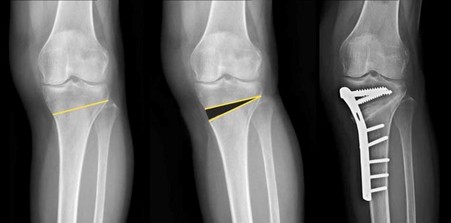
- High Tibial Osteotomy (HTO): In patients with knee misalignment, a high tibial osteotomy can realign the knee joint to relieve stress on the affected area. This procedure is often used in cases of unicompartmental knee arthritis.
- Rehabilitation and Post-Operative Care: After surgery, the knee is typically protected with a brace or assistive devices like crutches, and rehabilitation begins with a focus on range of motion and strength.
Recovery After Joint Preservation Knee Surgery
Recovery following joint preservation surgery can vary based on the specific procedure, but patients can generally expect:
- Hospital Stay: Many patients are able to go home the same day or within a day of surgery, although those who undergo more complex procedures may stay in the hospital for a short period.
- Weight Bearing: Depending on the procedure, there may be restrictions on weight-bearing for several weeks. Crutches or a brace may be used to limit load on the knee during the initial healing phase.
- Rehabilitation: Physiotherapy is a key component of recovery, focusing on restoring strength, flexibility, and stability to the knee. A structured rehabilitation program will typically begin soon after surgery to prevent stiffness and improve range of motion.
- Return to Activity: Depending on the procedure, most patients can return to normal daily activities within a few weeks to months. High-impact activities or sports may be limited for up to a year, depending on the surgery and individual progress.

Long-term Outcomes
The primary goal of joint preservation surgery is to maintain the natural knee joint and prevent the need for a knee replacement. Most patients experience improved function, pain relief, and long-term joint health, although results can vary. Patients who adhere to post-operative rehabilitation and avoid overloading the knee are more likely to have positive outcomes.
In some cases, further surgeries may be needed if the knee continues to degenerate, but joint preservation surgery has been shown to delay or prevent the need for a knee replacement, especially in younger, active individuals.
Risks and Complications
As with any surgery, joint preservation knee surgery carries certain risks, including:
- Infection at the surgical site
- Blood clots (deep vein thrombosis)
- Nerve or blood vessel injury
- Graft failure or complications with cartilage or meniscus repair
- Stiffness or loss of range of motion
- Recurrent knee pain or instability
Your surgical team will discuss the risks specific to your condition and procedure in detail and take steps to reduce these risks as much as possible.
Joint preservation knee surgery offers a promising option for individuals with knee issues who wish to avoid more invasive treatments and preserve their knee joint for years to come. With the right care and rehabilitation, patients can maintain knee function and return to their active lifestyles.