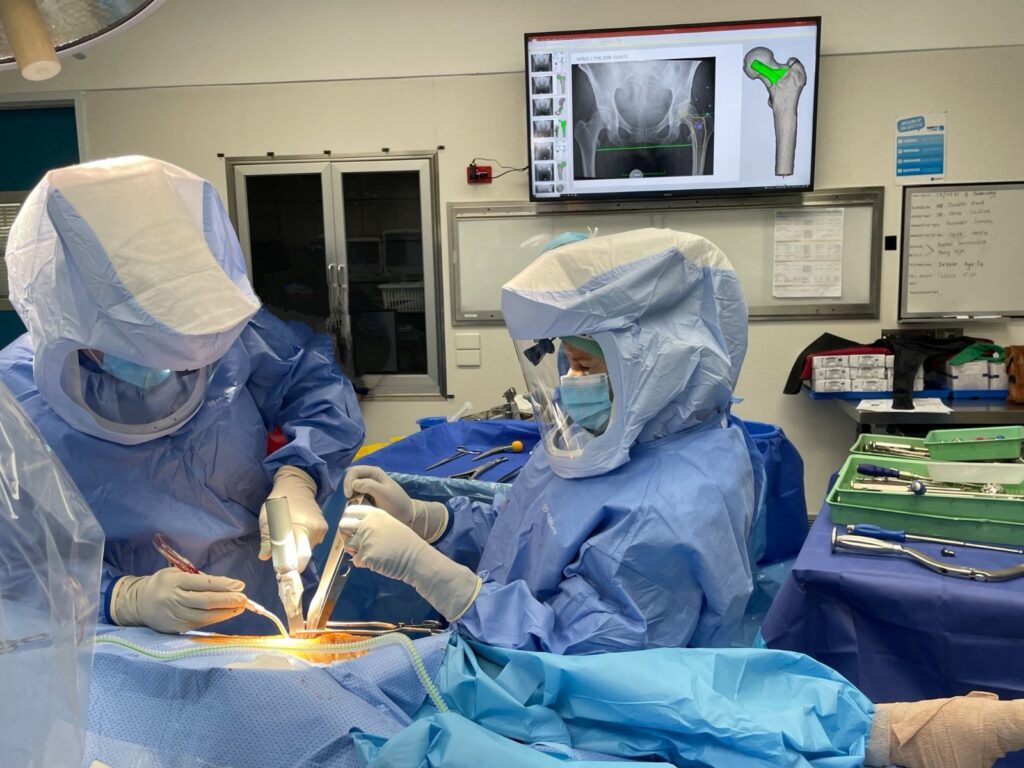

Hip Dysplasia
A developmental hip condition where the joint does not form normally, leading to instability, pain, and early wear
Hip dysplasia is a condition where the hip joint has not developed with normal alignment or coverage. Instead of the hip socket (acetabulum) fully supporting the ball of the thigh bone (femoral head), the socket may be shallow or angled differently. Over time, this altered joint structure can place increased stress on the cartilage and surrounding soft tissues.
While hip dysplasia is often identified in infancy or childhood, many people do not experience symptoms until adolescence or adulthood. In adults, hip dysplasia is a recognised cause of hip pain and an important risk factor for the early development of hip osteoarthritis.
At Melbourne Orthopaedic Clinic, hip dysplasia is assessed through a thorough clinical evaluation and appropriate imaging to understand how the condition is affecting your hip joint and daily function.
On this page, you’ll learn about:
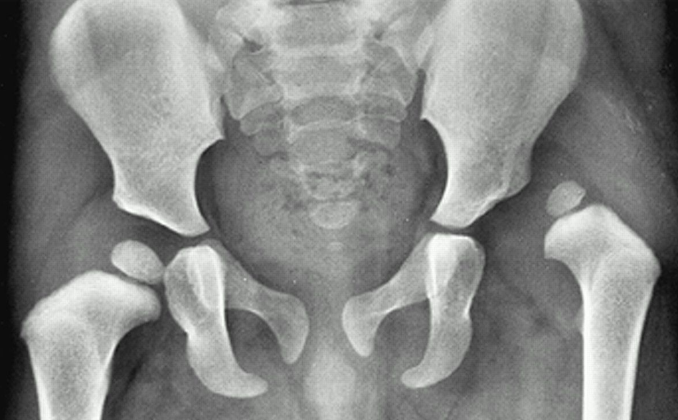
What is Hip Dysplasia?
Hip dysplasia refers to abnormal development of the hip joint, where the socket does not provide adequate coverage of the femoral head. This can lead to:
- Increased joint instability
- Higher mechanical stress on cartilage and labral structures
- Accelerated joint wear over time
The severity of hip dysplasia varies widely. Some people have mild changes that cause few symptoms, while others develop significant pain and functional limitation.
What Causes Hip Dysplasia?
Hip dysplasia is primarily a developmental condition. Factors that may contribute include:
- Genetic predisposition
- Family history of hip dysplasia
- Abnormal hip positioning during early development
- Female sex, which is associated with a higher incidence
- Certain childhood hip conditions that affect joint development
In many cases, no single cause is identified. The condition often develops gradually and may not cause symptoms until later in life, when cumulative joint stress leads to pain or stiffness.
Symptoms of Hip Dysplasia
Symptoms of hip dysplasia can vary depending on the severity of joint involvement and the presence of secondary joint damage. Common symptoms may include:
- Hip or groin pain, particularly with activity
- Pain that worsens with prolonged walking or standing
- Stiffness or reduced range of motion
- Clicking, catching, or locking sensations in the hip
- Pain that radiates to the thigh or buttock
- Early signs of hip arthritis in younger adults
Symptoms may develop gradually and are sometimes mistaken for muscle or tendon strain, particularly in active individuals.
How Hip Dysplasia is Diagnosed
Diagnosis begins with a detailed clinical assessment, including a discussion of your symptoms, activity levels, and medical history.
Imaging plays an important role and may include:
- X-rays to assess hip socket depth, joint alignment, and signs of arthritis
- MRI to evaluate cartilage, labral structures, and soft tissues
- CT scans in selected cases to provide detailed three-dimensional assessment of joint anatomy
These investigations help determine the severity of dysplasia and guide appropriate management options.
Treatment Options for Hip Dysplasia
Treatment for hip dysplasia depends on several factors, including symptom severity, joint stability, age, activity level, and the degree of joint degeneration.
Non-Surgical Management
In some cases, symptoms may be managed without surgery. Options may include:
- Activity modification to reduce joint stress
- Physiotherapy to improve hip strength and movement control
- Pain-relieving medications as advised by your doctor
- Targeted exercise programs to support joint function
Non-surgical care aims to manage symptoms but does not alter the underlying joint structure.
.
Surgical Management
Surgery may be considered when symptoms persist despite conservative care or when there is significant joint instability or degeneration. Surgical options vary and may include:
- Procedures to improve joint alignment and stability
- Hip preservation surgery in selected patients
- Hip replacement surgery when advanced arthritis is present
The most appropriate surgical approach is determined following comprehensive assessment and imaging, with careful consideration of expected benefits, risks, and recovery.
Many people with hip dysplasia remain active and independent, particularly with appropriate management and monitoring. Early assessment and tailored treatment may help slow joint deterioration and support long-term hip function.
During your consultation, your surgeon will discuss how hip dysplasia is affecting your joint and outline management options that align with your symptoms, lifestyle, and goals.