
Hip Arthritis
A degenerative hip joint condition causing pain, stiffness, and reduced mobility
Hip arthritis is a common orthopaedic condition that can significantly affect your ability to move, exercise, and perform everyday tasks. At Melbourne Orthopaedic Clinic, we understand how challenging this condition can be. Our goal is to help you better understand the cause of your symptoms and explore effective treatment options to improve your comfort and quality of life.
Hip arthritis occurs when the protective cartilage lining the hip joint gradually wears away. This causes the bones in the joint to rub together, leading to pain, stiffness, inflammation, and progressive loss of movement. While osteoarthritis is the most common form, other underlying conditions can also lead to degenerative changes in the hip.
On this page, you’ll learn about:
What Is Osteoarthritis of the Hip?
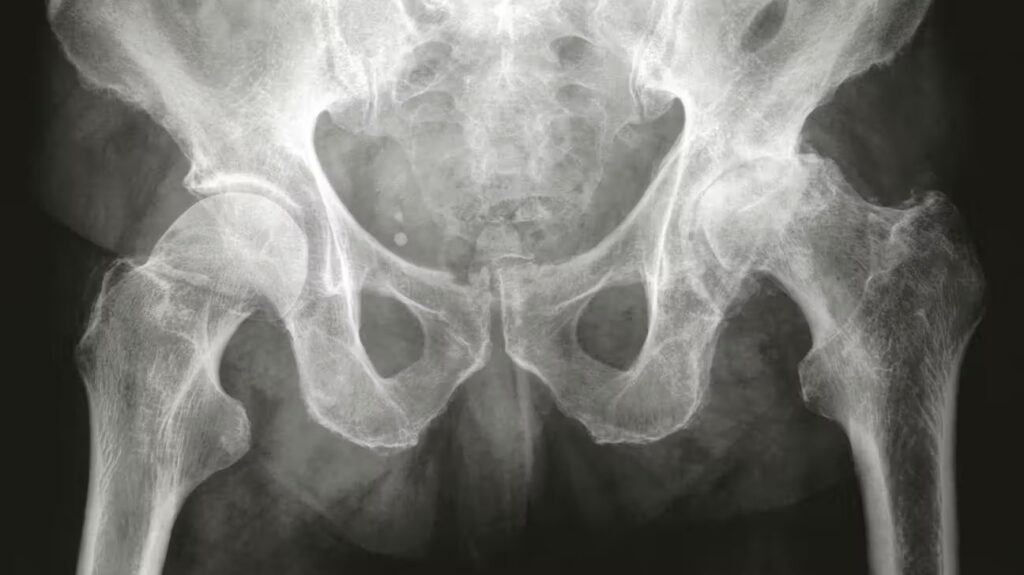
Osteoarthritis of the hip is the most common form of arthritis affecting the hip joint. It involves the progressive loss of cartilage, the smooth, protective tissue that allows the joint to glide comfortably. As this cartilage deteriorates, the joint becomes inflamed and painful. The condition is becoming more common due to our ageing population, but it can affect younger adults as well, particularly those with underlying joint abnormalities or a history of trauma.
Cartilage damage triggers an attempted repair response from the body. Unfortunately, cartilage cannot regenerate itself effectively, leading to chronic inflammation inside the joint and worsening symptoms over time.
Causes Of Hip Arthritis
Hip arthritis may develop due to several contributing factors:
- Primary Osteoarthritis: Often age-related, this form occurs when the cartilage gradually wears away without a specific underlying injury.
- Post-Traumatic Arthritis: Following a fracture or dislocation involving the hip joint, blood supply to the femoral head may be affected, accelerating joint damage.
- Hip Dysplasia: In cases where the hip socket is shallow or poorly formed, there may be abnormal loading on the joint, leading to early cartilage wear.
- Femoroacetabular Impingement (FAI): A mismatch in the shape of the hip ball and socket can lead to abnormal contact and cartilage damage in younger adults.
- Avascular Necrosis (AVN): When blood flow to the femoral head is compromised, the bone can collapse, leading to joint deterioration.
- Inflammatory Arthritis: Autoimmune conditions such as rheumatoid arthritis can damage the joint lining, resulting in chronic inflammation and cartilage loss.
- Infection: Joint infections, although rare, can cause rapid cartilage destruction and long-term arthritis.
Symptoms Of Hip Arthritis
Hip arthritis symptoms often develop gradually but can sometimes progress rapidly. Common signs include:
- Hip or Groin Pain: Pain may be felt in the groin, thigh, buttock, or even referred to the knee. Pain can worsen with activity or after prolonged sitting or standing.
- Stiffness: Especially noticeable in the morning or after rest, making it difficult to bend, walk, or rotate the hip.
- Reduced Range of Motion: Difficulty putting on shoes or socks, getting into or out of a car, or sitting cross-legged are common signs.
- Clicking or Grinding: A sensation of the bones rubbing or catching may be felt as cartilage wears away.
- Night Pain or Side Pain: Pain when lying on the affected side or waking up at night is also common.
- Referred Pain to the Knee or Lower Back: Because of shared nerve pathways, hip arthritis can cause pain felt in nearby areas even if the hip joint is the primary issue.
How Hip Arthritis Is Diagnosed
At Melbourne Orthopaedic Clinic, diagnosis begins with a detailed clinical assessment. This includes:
- Medical History & Physical Examination: To evaluate your symptoms, hip mobility, strength, and overall function.
- X-rays: To assess the joint space, cartilage loss, and signs of bone changes such as osteophytes or femoral head deformity.
- MRI Scans: May be recommended to provide detailed images of the cartilage, joint lining, and surrounding soft tissues, particularly in early or unclear cases.
Treatment Options for Hip Arthritis
Treatment depends on the severity of your symptoms, the underlying cause, and your response to non-operative strategies.
Non-Surgical Management
Many patients benefit from conservative treatments, especially in early or moderate arthritis:
Physiotherapy: Helps strengthen muscles around the hip, improve joint flexibility, and restore mobility.
Medication: Anti-inflammatory medications (NSAIDs) can help reduce inflammation and relieve pain.
Activity Modification: Reducing aggravating movements and switching to low-impact exercises like swimming or cycling may help manage symptoms.
Weight Management: Reducing body weight decreases the load on the hip joint, slowing arthritis progression and improving function.
Injections: Corticosteroid or hyaluronic acid (viscosupplementation) injections may offer temporary relief of pain and inflammation.
Surgical Management
If symptoms are severe or persistent despite non-operative treatment, surgery may be recommended.
Hip Arthroscopy: A minimally invasive procedure to address early-stage joint damage or remove loose bodies.
Realignment Procedures (Osteotomy): May be considered in younger patients with abnormal hip shape to delay arthritis progression.
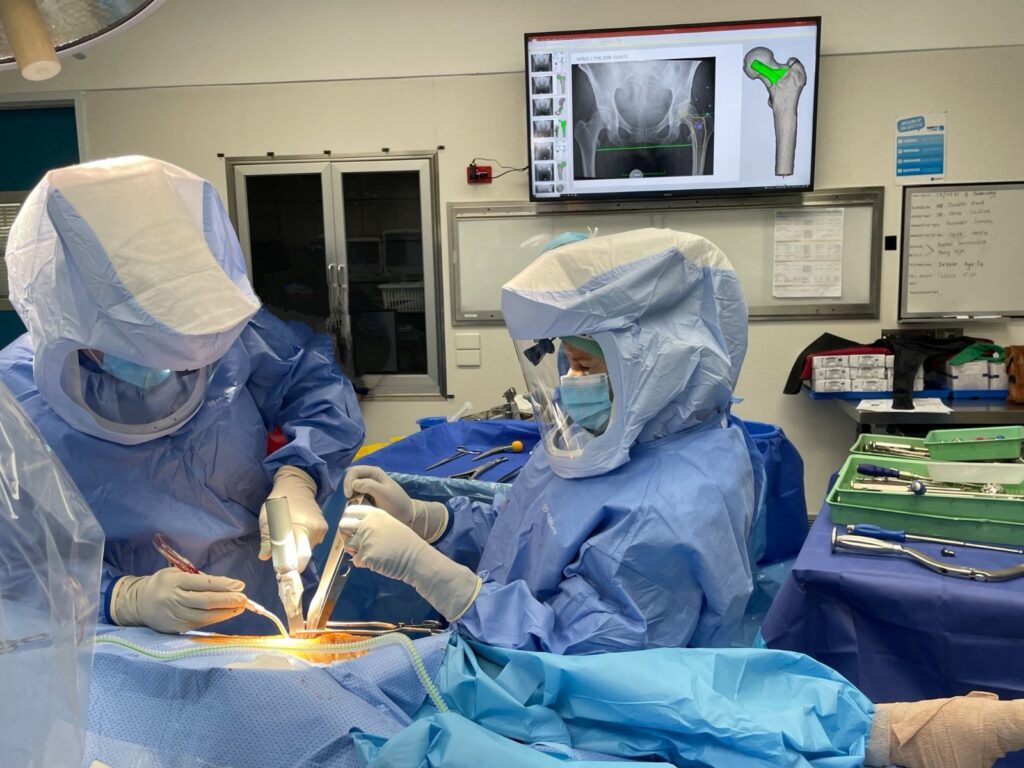
Total Hip Replacement: For advanced arthritis, a hip replacement can restore movement and significantly reduce pain. At Melbourne Orthopaedic Clinic, both anterior and posterior approaches are available, including minimally invasive techniques such as the bikini incision approach.
The progression of hip arthritis can vary. Some people experience gradual changes over many years, while others develop more severe symptoms more quickly. Regular monitoring, early intervention, and proactive management can help maintain mobility and delay the need for surgery.
At Melbourne Orthopaedic Clinic, treatment plans are tailored to each person’s condition, lifestyle, and goals. Management may involve physiotherapy, activity modification, or surgery when appropriate. The aim is to support your mobility, manage pain, and help you stay active in daily life.