

Hamstring Tendon Tear & Pain
Injury to the hamstring tendon causing knee pain, weakness, and limited mobility
The hamstring tendon is a crucial part of the knee and thigh structure, playing an important role in leg movement, flexibility, and stability. When the hamstring tendon is torn or strained, it can lead to significant pain and limit your ability to perform everyday activities such as walking, running, or bending the knee. At Melbourne Orthopaedic Clinic, we specialise in the diagnosis and treatment of hamstring tendon injuries, offering both surgical and non-surgical options for effective recovery.
On this page, you’ll learn about:

What is a hamstring tendon tear?
A hamstring tendon tear refers to damage to one of the tendons that connect the hamstring muscles in the back of your thigh to the bones in your pelvis and knee. The hamstring muscle group consists of three muscles, and when the tendons are stretched beyond their normal range, it can result in either a partial or complete tear. These injuries are often associated with sports activities, especially those requiring sudden bursts of speed, sharp direction changes, or heavy lifting.
Causes of a hamstring tendon tear
Hamstring tendon tears are often the result of:
- Sudden movements: Sprinting, jumping, or quick changes in direction can overstress the tendon, leading to a tear.
- Overuse: Repetitive strain from running or other physical activities can gradually weaken the tendon, increasing the risk of injury.
- Direct trauma: Falls or accidents that put significant pressure on the tendon can lead to a tear.
- Age and previous injuries: Older individuals and those who have previously injured their hamstrings are more susceptible to tendon tears due to the weakening of the tendon over time.
Symptoms of hamstring tendon tear
The symptoms of a hamstring tendon tear can vary depending on the severity of the injury. Common signs include:
- Sharp pain in the back of the thigh or near the knee: This pain often occurs suddenly, especially during physical activity.
- Swelling and bruising: The area around the injury may swell, and bruising can extend down the back of the leg.
- Weakness in the leg: You may find it difficult to walk, run, or perform activities that require you to bend your knee or extend your leg.
- Inability to bear weight: In severe cases, you may be unable to place any weight on the affected leg.
- A noticeable gap or indentation: In the case of a complete tendon tear, you may feel a gap where the tendon has detached from the bone.
Diagnosing a hamstring tendon tear
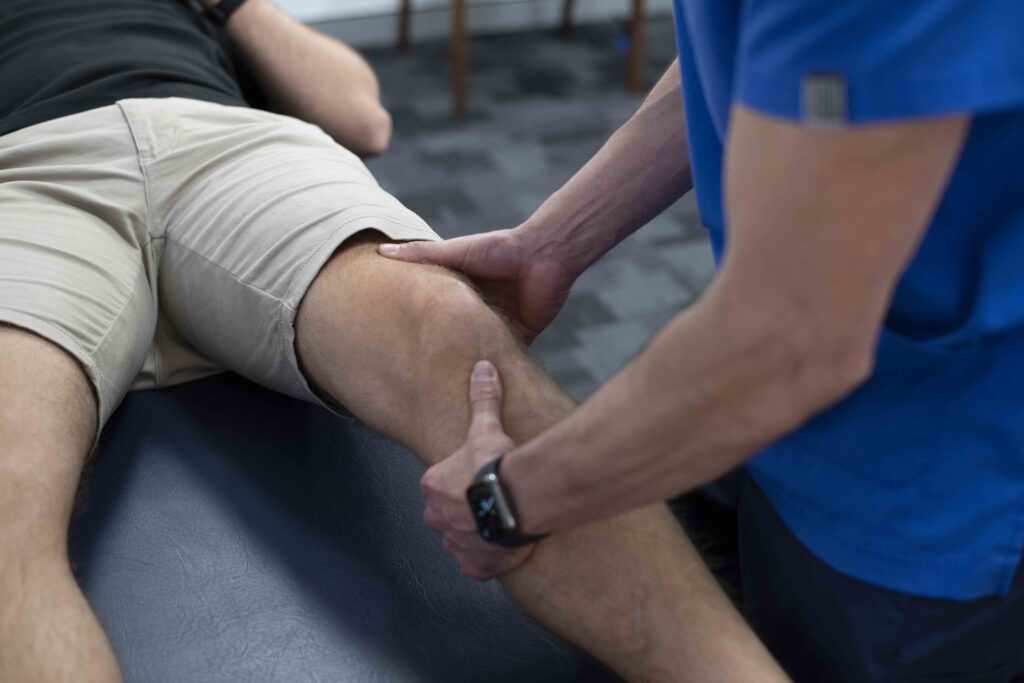
Early diagnosis is key to effectively managing hamstring tendon injuries. During your consultation, Melbourne Orthopaedic Clinic will conduct a thorough physical examination to assess your range of motion, flexibility, and pain levels. You may be asked about the nature of the injury, including how it occurred and the severity of your symptoms.
Imaging studies, such as X-rays or an MRI, may be recommended to determine the extent of the tear and whether any other structures around the knee or thigh have been affected. In some cases, an ultrasound may also be used to confirm the diagnosis.
Treatment options for a hamstring tendon tear
Non-Surgical Treatments:
Many hamstring tendon tears can be treated successfully without surgery, especially if the injury is mild or moderate. Non-surgical treatment options include:
- RICE protocol: Rest, ice, compression, and elevation to reduce pain and swelling.
- Physiotherapy: Targeted exercises can help strengthen the hamstring muscles and improve flexibility, promoting faster recovery.
- Bracing or crutches: In more severe cases, bracing or using crutches may be recommended to offload the injured tendon and prevent further damage while it heals.
- Pain relief: Anti-inflammatory medications such as NSAIDs can help manage pain and reduce inflammation.
Surgical Treatment:
For more severe injuries, especially complete tears, surgery may be necessary to reattach the tendon to the bone. Hamstring tendon repair surgery involves stitching the torn ends of the tendon back together or, in cases where the tendon has been completely detached, reattaching it to the bone with surgical anchors. This procedure is typically recommended for athletes or those who have sustained a significant tear that impacts their ability to perform daily activities.
After a hamstring tendon injury, rehabilitation plays a critical role in regaining full strength and flexibility in the leg.
If you suspect that you have a hamstring tendon tear, it’s important to seek prompt medical attention. Early diagnosis and treatment at Melbourne Orthopaedic Clinic can prevent complications and improve your chances of a full recovery.