
A Failed Or Worn-out Hip Replacement
A Condition That May Require Evaluation and Possible Revision Surgery
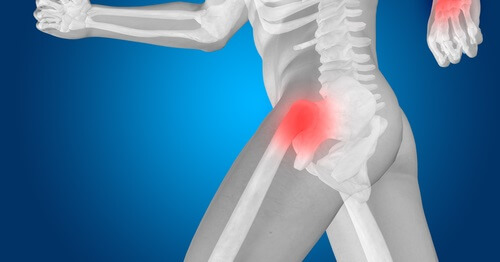
A hip replacement surgery is typically a successful intervention for individuals suffering from severe hip pain and dysfunction due to conditions such as arthritis. However, over time, the hip implant may wear out or fail, leading to persistent pain and impaired mobility. A worn-out or failed hip replacement can significantly affect quality of life, necessitating timely intervention to address the underlying issues and restore function.
Causes Of Worn Out Or Failed Hip Replacement
Several factors can contribute to the wear or failure of a hip replacement, including:
- Implant Wear and Tear: Over time, the components of the hip implant may wear down, particularly the bearing surfaces, leading to discomfort and reduced function.
- Infection: An infection can develop around the implant, causing pain and inflammation. This can compromise the implant’s stability and effectiveness.
- Loosening of the Implant: The implant may become loose from the bone over time due to wear or inadequate bone integration, resulting in pain and instability.
- Fractures: Fractures around the implant site can occur, often due to trauma or excessive stress on the joint, leading to implant failure.
- Osteolysis: This is a process where bone is resorbed due to the wear particles from the implant, causing weakening of the bone structure and potentially leading to loosening of the implant.
Symptoms Of A Worn Out Or Failed Hip Replacement
The symptoms of a worn-out or failed hip replacement can vary, but common signs include:
- Persistent Hip Pain: Patients may experience ongoing pain in the hip, groin, or thigh, which may worsen with activity or weight-bearing.
- Swelling and Inflammation: Swelling around the hip joint can indicate inflammation or infection.
- Limited Range of Motion: Patients may notice decreased mobility and stiffness in the hip joint.
- Limping: Changes in gait or a noticeable limp may develop as a result of discomfort or instability in the joint.
- Popping or Grinding Sensation: Patients may feel a popping or grinding sensation in the hip during movement, indicating issues with the implant.
Diagnosis Of Worn Out Or Failed Hip Replacement
When you consult with Melbourne Orthopaedic Clinic, a thorough evaluation will be conducted to assess the hip joint’s condition. This typically involves:
- Medical History Review: The clinician will discuss your symptoms, medical history, and any previous surgeries.
- Physical Examination: A comprehensive physical exam will assess pain levels, range of motion, and overall joint stability.
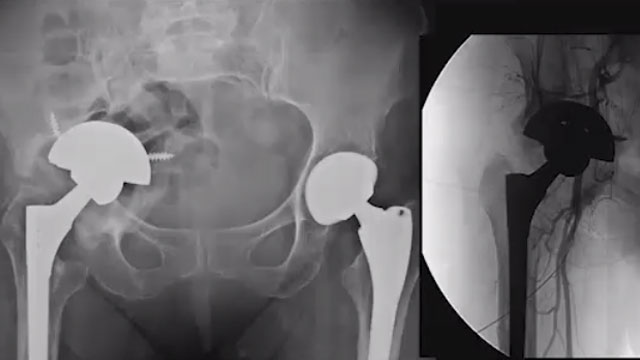
- Imaging Tests: X-rays are commonly used to visualise the implant and surrounding bone, while MRIs or CT scans may be ordered for a more detailed assessment of soft tissues and any underlying issues.
Treatment Options For A Worn Out Or Failed Hip Replacement
Treatment for a worn-out or failed hip replacement depends on the cause and severity of the condition. Options may include:
NON-SURGICAL TREATMENTS
In some cases, non-surgical approaches can help manage symptoms and improve function:
- Medications: Anti-inflammatory medications and pain relievers may be prescribed to alleviate discomfort and reduce inflammation.
- Physiotherapy: A tailored physiotherapy program can strengthen the muscles around the hip and improve joint stability and mobility.
- Activity Modification: Adjusting daily activities and using assistive devices, such as canes or walkers, can help reduce stress on the hip joint.
SURGICAL TREATMENTS
If non-surgical treatments are ineffective, surgical intervention may be necessary to address the issues with the hip implant. Surgical options include:
- Revision Surgery: This procedure involves removing the worn or failed implant and replacing it with a new one. Revision surgery can be more complex than the initial replacement and may require additional procedures to ensure stability and proper alignment.
- Decompression Surgery: If the implant is loose, decompression may help relieve pressure on the bone and improve integration.
- Bone Grafting: In cases where there is significant bone loss due to osteolysis, bone grafting may be performed to rebuild the bone structure before placing a new implant.
A worn-out or failed hip replacement can lead to significant discomfort and impaired mobility if not addressed promptly. Early diagnosis and appropriate treatment are essential to restore function and improve quality of life. Melbourne Orthopaedic Clinic will work with you to develop a personalised treatment plan based on your specific needs and the severity of your condition, with the goal of alleviating pain and enhancing your overall well-being.