

Discectomy
Relieving pain and restoring mobility through targeted disc removal
A discectomy is a surgical procedure used to relieve symptoms caused by a herniated or damaged spinal disc. When part of a disc presses on nearby nerves or the spinal cord, it can lead to pain, numbness, tingling, or weakness in the back, legs, or arms.
During a discectomy, the portion of the disc that is pressing on the nerve is carefully removed, while the healthy part of the disc is left intact. The goal is to reduce nerve irritation, ease pain, and restore function.
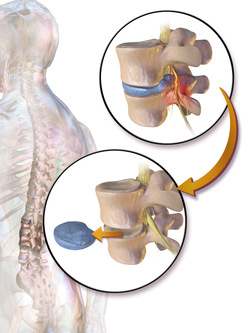
What is Discectomy?
Discectomy is a type of spine surgery performed to remove part of a spinal disc that is pressing on nearby nerves or the spinal cord. Spinal discs act as cushions between the vertebrae, but if a disc becomes herniated or damaged, its inner material can bulge out and irritate surrounding nerves.
By removing the portion of the disc causing compression, a discectomy aims to relieve symptoms such as back pain, leg pain (sciatica), numbness, or weakness. The rest of the disc is usually left in place to preserve as much normal function as possible.
Discectomy can be performed through different surgical techniques, including traditional open surgery or minimally invasive (microdiscectomy) approaches, depending on the individual case.
When discectomy may be recommended
Discectomy may be considered when symptoms from a herniated or damaged spinal disc do not improve with non-surgical treatments. Common indications include:
- Persistent nerve pain – Ongoing back, leg (sciatica), or arm pain caused by disc compression that does not respond to rest, physiotherapy, or medications.
- Neurological symptoms – Numbness, tingling, or weakness in the arms or legs that interferes with daily function.
- Loss of mobility or function – Difficulty walking, standing, or performing routine activities due to pain or weakness.
- Bladder or bowel changes – In rare but urgent cases, compression of spinal nerves can cause problems with bladder or bowel control (such as cauda equina syndrome), requiring immediate surgical attention.
- Failure of conservative treatment – Symptoms that persist after a period of non-surgical care, such as physiotherapy, medications, or injections.
Discectomy is generally recommended only when conservative options have not provided sufficient relief or when symptoms are severe enough to affect quality of life.
The Discectomy Procedure
A discectomy is performed to remove the part of a spinal disc that is pressing on nearby nerves. The surgery can be done using either a traditional open approach or a minimally invasive technique such as microdiscectomy. The choice of method depends on the location of the disc, the severity of the compression, and the patient’s overall health.
Before surgery
Patients are placed under general anaesthesia so they are asleep and pain-free during the procedure.
The surgical site is carefully prepared, usually in the lower back or neck, depending on where the herniated disc is located.
During surgery
- Anaesthesia: Discectomy is performed under general or regional anaesthesia, ensuring the patient is comfortable and pain-free.
- Incision: A small incision is made in the back (or neck, depending on the disc location) to access the affected area of the spine.
- Removal of Disc Material: The surgeon carefully removes the portion of the disc that is pressing on the nerve root or spinal cord, relieving the source of pain and discomfort.
- Closure: The incision is closed with sutures or staples, and a sterile dressing is applied.
The aim of the procedure is to relieve nerve compression, reduce pain, and improve function while preserving spinal stability.
Recovery After Discectomy
Recovery from discectomy generally involves:
Hospital stay – Many patients go home the same day or within 24 hours, depending on the type of discectomy and overall health.
Mobility – Walking is usually encouraged soon after surgery to promote circulation and healing.
Pain management – Medications may be prescribed to manage discomfort at the surgical site.
Wound care – The incision should be kept clean and dry; instructions will be provided on dressing changes and when sutures or staples are removed.
Activity restrictions – Heavy lifting, twisting, and strenuous activity are avoided for several weeks to protect the spine as it heals.
Physiotherapy – A rehabilitation program may be recommended to restore strength, flexibility, and posture.
Return to activities – Most people resume light daily activities within a few weeks, though full recovery and return to sport or heavy work may take several months.
Recovery time varies for each individual and depends on factors such as the extent of the surgery, general health, and commitment to rehabilitation.

Long-term Outcomes
Most people experience meaningful improvement in pain and function following discectomy, especially when the procedure successfully relieves pressure on the affected nerve. For many, this allows a return to normal daily activities and, in some cases, work and sport.
However, long-term results can vary. Some patients may continue to experience mild discomfort or stiffness, and there is a possibility of disc herniation recurring at the same or a different spinal level. Maintaining a healthy weight, practising good posture, and following physiotherapy or exercise programs can support long-term spinal health.
Regular follow-up with your healthcare team is important to monitor recovery and address any ongoing or returning symptoms.
Risks and Complications
As with any surgery, discectomy carries potential risks. These may include:
Infection at the surgical site
Bleeding
Nerve injury or damage
Re-herniation of the disc
Ongoing pain or persistent symptoms
Your surgeon will explain these risks in detail before the procedure and outline the steps taken to reduce the chance of complications.
Discectomy may provide significant relief for people with nerve-related symptoms caused by a herniated disc, particularly when non-surgical treatments have not been successful. Outcomes vary between individuals, and your surgeon will discuss the likely benefits, risks, and alternatives to help you make an informed decision.