

Spinal Decompression
Relieving nerve pressure and restoring mobility through decompression surgery
Spinal decompression surgery is performed to relieve pressure on the spinal cord or nerves caused by conditions such as herniated discs, spinal stenosis, bone spurs, or degenerative changes. By removing or reshaping parts of bone or tissue that are compressing the nerves, this procedure can reduce pain, numbness, and weakness, while helping to restore mobility and function.
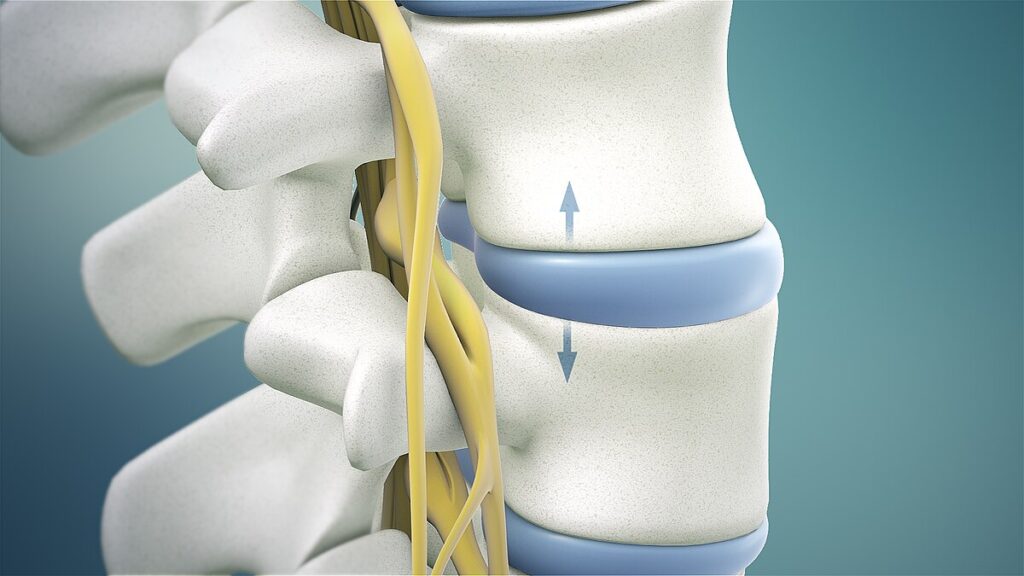
What is Spinal Decompression?
Decompression surgery is a procedure designed to relieve pressure on the spinal cord or nerves by removing or reshaping structures that are compressing them. This pressure is often caused by conditions such as spinal stenosis, herniated discs, bone spurs, or thickened ligaments.
During the procedure, the surgeon may remove part of the bone (lamina), disc material, or other tissues that are narrowing the spinal canal or pressing on nerves. By creating more space around the spinal cord and nerve roots, decompression surgery aims to reduce pain, numbness, tingling, and weakness, while improving mobility and quality of life.
Indications for Spinal Decompression
Spinal decompression surgery may be recommended when pressure on the spinal cord or nerves causes significant symptoms that do not improve with non-surgical treatments. Indications often include:
- Persistent pain – ongoing back, neck, or leg pain that limits daily activities.
- Neurological symptoms – numbness, tingling, or weakness in the arms or legs caused by nerve compression.
- Spinal stenosis – narrowing of the spinal canal leading to discomfort, difficulty walking, or reduced mobility.
- Herniated or slipped discs – when disc material presses on a nerve root or the spinal cord.
- Bone spurs or arthritis-related changes – overgrowth of bone that reduces space for nerves.
- Spinal injuries or fractures – where displaced bone fragments or swelling compress the spinal cord.
- Loss of bladder or bowel control – a rare but urgent sign of severe nerve compression requiring immediate attention.
The decision to proceed with surgery is based on the severity of symptoms, imaging results, overall health, and how much the condition impacts quality of life. Non-surgical treatments are usually considered first, with surgery reserved for cases where these approaches are not effective.
The Spinal Decompression Surgical Procedure
- Anaesthesia: Patients are placed under general anaesthesia for a comfortable surgical experience.
- Incision: A small incision is made at the affected area of the spine to access the compressed nerves.
- Decompression: Prof. Hunt carefully removes the source of pressure, which may involve removing part of a herniated disc, bone spurs, or ligaments causing spinal stenosis.
- Closure: The incision is closed with sutures or staples, and a sterile dressing is applied.
Recovery After Spinal Decompression
Recovery following spinal decompression surgery varies depending on the underlying condition, the type of procedure performed, and the individual’s overall health. In most cases, the recovery process involves several key stages:
- Hospital stay: Many patients stay in hospital for one to three days, though some minimally invasive procedures may allow for same-day discharge.
- Pain management: Medications are prescribed to manage post-operative discomfort. Pain usually improves steadily over the first few weeks.
- Physiotherapy: A tailored rehabilitation programme is often recommended to restore strength, improve flexibility, and support safe return to daily activities.
- Activity restrictions: Patients are advised to avoid heavy lifting, bending, or twisting for several weeks to protect the spine as it heals. Light walking is usually encouraged early in recovery.
- Return to normal activities: Many people return to light activities or office-based work within 4–6 weeks, while full recovery and return to more demanding tasks may take several months.
Regular follow-up appointments allow your surgeon to monitor healing and ensure that the decompression has successfully relieved pressure on the spinal nerves.

Spinal Decompression Long-term Outcomes
The long-term outcomes of spinal decompression surgery are generally positive, particularly when surgery is performed to relieve significant nerve or spinal cord compression. Many patients experience lasting reductions in pain, improved mobility, and better quality of life.
Relieving pressure on the nerves often helps restore function, allowing people to return to normal daily activities, work, and recreation. In some cases, mild residual symptoms such as stiffness or occasional discomfort may remain, but most individuals notice a significant overall improvement compared to before surgery.
Over time, the health of the spine can continue to be influenced by factors such as age-related changes, posture, activity levels, and underlying conditions like arthritis. Regular physiotherapy, good posture habits, and maintaining overall fitness can help support long-term results.
Follow-up appointments with Prof. Hunt remain important to monitor spinal health and address any new or ongoing concerns.
Spinal Decompression Risks and Complications
As with any surgical procedure, spinal decompression surgery carries some risks. While most people recover without major issues, it is important to be aware of potential complications, which may include:
- Infection at the surgical site.
- Bleeding or blood clots after surgery.
- Nerve injury leading to numbness, weakness, or changes in sensation.
- Spinal fluid leak (dural tear), which may require further treatment.
- Recurrent symptoms if compression develops again in the future.
- Spinal instability in cases where a large portion of bone or tissue is removed.
- General risks of anaesthesia, such as allergic reactions or complications.
Prof. Hunt will discuss these risks with you before the procedure and explain the steps taken to reduce them. Careful monitoring, rehabilitation, and adherence to post-operative instructions all help support safe recovery and long-term outcomes.