

De Quervain’s Release
Effective treatment for thumb pain and wrist dysfunction
De Quervain’s release is a surgical procedure aimed at alleviating the pain and discomfort associated with De Quervain’s tenosynovitis, a condition that affects the tendons on the thumb side of the wrist. At Melbourne Orthopaedic Clinic, we specialise in diagnosing and treating this condition, helping patients regain mobility and reduce pain.
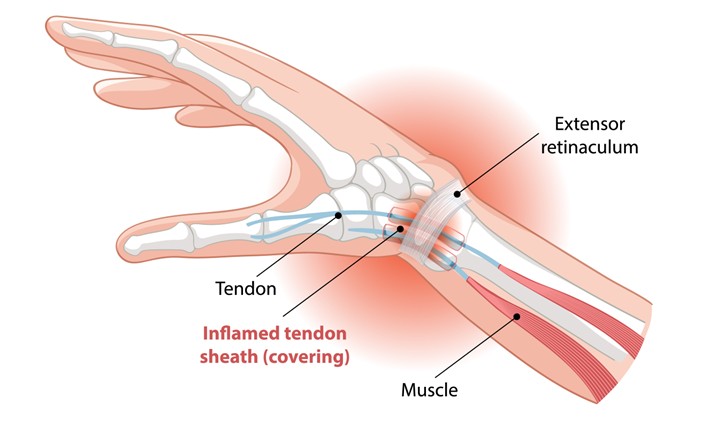
What is De Quervain’s Tenosynovitis?
De Quervain’s tenosynovitis is characterised by inflammation of the tendons that control thumb movement, specifically the abductor pollicis longus and extensor pollicis brevis tendons. This condition often results from repetitive hand movements or strain and can lead to:
- Pain and tenderness at the base of the thumb and wrist
- Swelling around the thumb
- Difficulty gripping or pinching
- A “catching” sensation when moving the thumb
Indications for De Quervain’s Tenosynovitis Surgery
De Quervain’s release surgery is typically recommended for patients who experience:
- Persistent pain despite non-surgical treatments such as splinting, medications, or physical therapy
- Significant impact on daily activities or quality of life
- Severe symptoms that limit thumb function
The De Quervain’s Tenosynovitis Procedure
De Quervain’s release is performed under local or general anaesthesia and typically involves the following steps:
- Anaesthesia: The patient is administered local anaesthesia to numb the area or general anaesthesia for more extensive comfort.
- Incision: A small incision is made on the wrist, directly over the affected tendons.
- Tendon Sheath Release: The surgeon carefully opens the tendon sheath, relieving pressure on the inflamed tendons to restore normal movement.
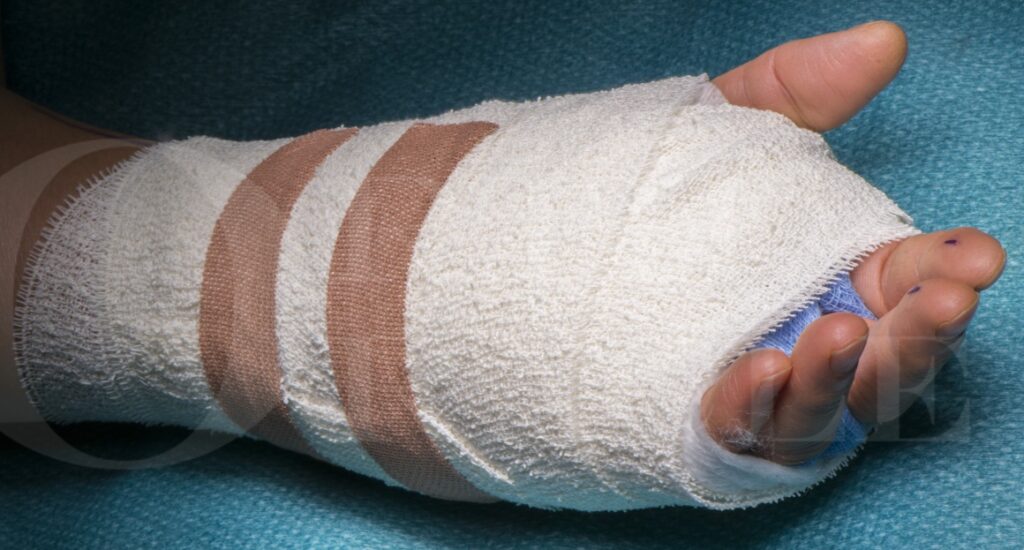
- Closure: The incision is closed with sutures, and a dressing is applied to protect the area.
Recovery After De Quervain’s Tenosynovitis Surgery
Recovery from De Quervain’s release generally includes:
- Hospital Stay: The procedure is usually performed as an outpatient, allowing patients to go home the same day.
- Pain Management: Patients are prescribed pain relief medications to manage discomfort post-surgery.
- Rehabilitation: A hand therapy program may be recommended to regain strength and range of motion in the thumb and wrist.
- Activity Restrictions: Patients should avoid heavy lifting and repetitive thumb movements for several weeks to ensure proper healing.
Long-Term Outcomes
Most patients experience significant relief from pain and improved thumb function following De Quervain’s release surgery. The procedure aims to restore normal use of the hand and enhance overall quality of life.
Risks and Complications
While De Quervain’s release is generally safe, potential risks include:
- Infection at the surgical site
- Nerve injury or scarring
- Recurrence of symptoms
Our experienced team at Melbourne Orthopaedic Clinic will thoroughly discuss these risks with you and provide comprehensive preoperative guidelines to minimise complications.
De Quervain’s release offers a reliable solution for individuals suffering from thumb pain due to tendon inflammation. With the expertise of Prof. Vera Sallen, you can expect personalised care focused on restoring hand function and improving your daily activities.