

Carpal Tunnel Release
A surgical solution for carpal tunnel syndrome
Carpal tunnel release is a surgical procedure designed to alleviate the symptoms of carpal tunnel syndrome, a condition caused by the compression of the median nerve as it passes through the wrist. At Melbourne Orthopaedic Clinic, we specialise in providing comprehensive assessments and advanced surgical techniques to relieve pain, numbness, and weakness in the hand associated with this condition.
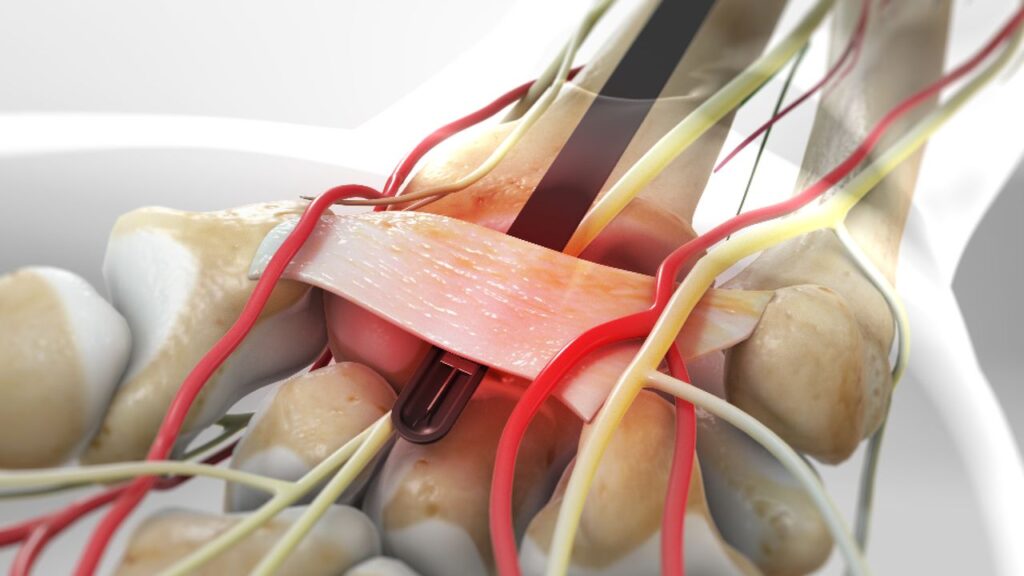
What is Carpal Tunnel Syndrome?
Carpal tunnel syndrome occurs when the median nerve, which runs from the forearm into the palm of the hand, becomes compressed within the carpal tunnel, a narrow passageway formed by bones and ligaments in the wrist. This compression can lead to various symptoms, including:
- Tingling or numbness in the fingers, particularly the thumb, index, and middle fingers
- Weakness in the hand and difficulty gripping objects
- Pain that may radiate up the arm
Indications for Carpal Tunnel Release Treatment
Carpal tunnel release is typically recommended for patients experiencing:
- Persistent symptoms that do not improve with conservative treatments, such as splinting, physical therapy, or corticosteroid injections
- Significant pain or functional limitations that interfere with daily activities
- Severe cases of nerve compression that may lead to muscle atrophy in the hand
The Carpal Tunnel Release Procedure
The carpal tunnel release procedure involves the following steps:
1) Pre-operative checks
- Confirm symptoms, examination findings, and any nerve conduction study results.
- Mark the surgical site and review your medical history, medicines, and allergies.
- Discuss anaesthetic options and post-operative plan.
2) Anaesthetic
- Usually local anaesthetic with or without light sedation.
- Some patients may have regional or general anaesthetic, depending on individual factors.
3) Positioning and preparation
- You lie on your back with the arm supported on an arm table.
- The hand and wrist are cleaned and covered with sterile drapes.
- A small tourniquet may be used on the forearm to reduce bleeding during the procedure.
4) The surgical approach
Prof. Sallen will select the technique best suited to your situation. Both are designed to release the transverse carpal ligament safely.
Open carpal tunnel release
- A small incision is made in the palm near the wrist crease.
- The tissues are gently parted to reach the transverse carpal ligament.
- The ligament is carefully divided to create more space for the median nerve and flexor tendons.
- The release is checked along its full length to ensure there are no tight bands remaining.
- The median nerve and surrounding tissues are inspected. Thickened tendon lining may be trimmed if needed.
- Bleeding is controlled and the skin is closed with sutures. A light dressing is applied.
Endoscopic (keyhole) carpal tunnel release
- A small incision is made at the wrist or proximal palm.
- A narrow camera is introduced to view the under surface of the ligament.
- Under direct vision, the transverse carpal ligament is divided.
- Instruments are removed, the incision is closed, and a light dressing is applied.
5) Immediately after surgery
- The hand is bandaged; a bulky plaster is not usually required.
- You are encouraged to gently move the fingers straight away to reduce stiffness.
- Keep the hand elevated for the first 48 hours to limit swelling.
- Simple pain relief is provided and tailored to your needs.
During your consultation, Prof. Sallen will explain which approach is most appropriate for you and provide personalised guidance on recovery timelines based on your work, activities, and overall health.
Recovery After Carpal Tunnel Release
Recovery from carpal tunnel release generally involves:
- Hospital Stay: Most patients can go home the same day as the surgery.
- Pain Management: Medications may be prescribed to manage discomfort during the recovery period.
- Rehabilitation: A physical therapy program may be recommended to improve hand strength and function.
- Activity Restrictions: Patients are advised to avoid heavy lifting and repetitive wrist movements for several weeks.

Long-Term Outcomes
Carpal tunnel release surgery is generally effective in relieving pressure on the median nerve, with most people experiencing significant improvement in pain, tingling, and night-time symptoms. Numbness may take longer to resolve, particularly if the nerve has been compressed for a long period before surgery, and in some cases a degree of permanent altered sensation may remain.
Hand strength and function usually improve gradually with recovery and therapy, although it can take several months before grip and pinch strength return. Most people are able to resume normal work, hobbies, and daily activities once healing is complete. While recurrence is uncommon, some individuals may continue to experience ongoing weakness or stiffness, particularly if the condition was advanced before treatment. Prof Sallen will provide guidance on what to expect long-term based on your individual situation.
Risks and Complications
As with any surgical procedure, carpal tunnel release carries potential risks, including:
- Infection at the surgical site
- Nerve injury or continued symptoms
- Scarring or stiffness in the wrist
Our experienced team at Melbourne Orthopaedic Clinic will discuss these risks with you and provide thorough preoperative guidelines to minimise complications.
Carpal tunnel release is an effective surgical option for individuals suffering from debilitating symptoms of carpal tunnel syndrome. With the expertise of our specialists at Melbourne Orthopaedic Clinic, you can expect personalised care and a focus on restoring your hand function and quality of life.