

Biceps Tendon Repair Surgery
Specialised procedures to restore biceps function and alleviate pain
Biceps tendon injuries can significantly affect your shoulder and arm functionality, leading to pain, weakness, and reduced mobility. These injuries may occur due to trauma, repetitive overhead activities, or degeneration over time. When conservative treatments like physiotherapy or medication fail to provide relief, biceps tendon repair surgery may be recommended to restore the tendon’s integrity and improve overall function.
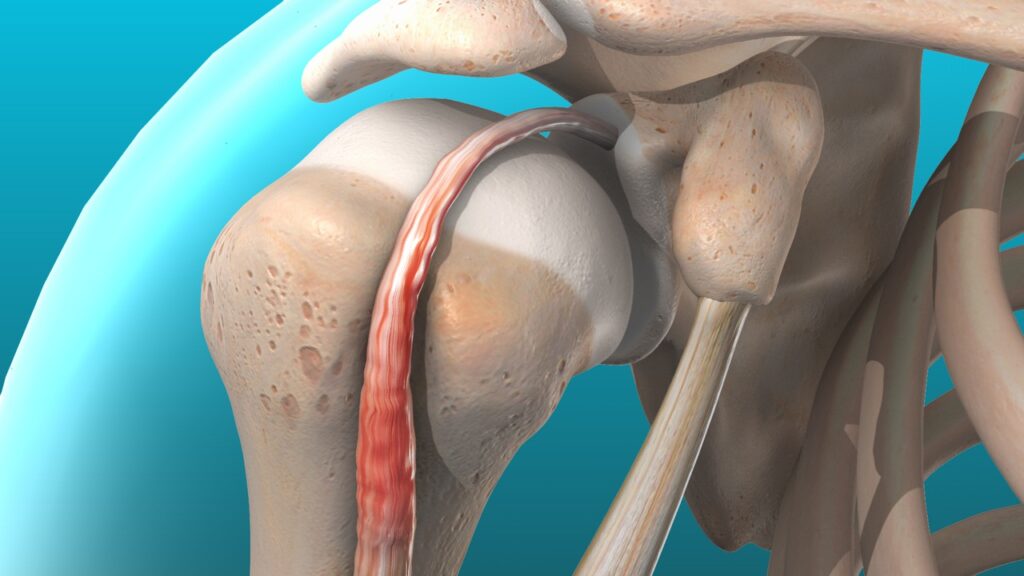
What is a Biceps Tendon Injury?
A biceps tendon injury typically occurs when the tendon that attaches the biceps muscle to the shoulder (the long head of the biceps tendon) becomes torn, inflamed, or ruptured. The injury can lead to significant pain, weakness in the arm, and limited mobility, especially when performing overhead activities. Causes of such injuries can include sudden trauma, repetitive stress from activities like weightlifting or throwing, or age-related degeneration of the tendon.
Indications for Biceps Tendon Repair Surgery
Biceps tendon repair surgery may be necessary when:
- The biceps tendon is severely torn, causing pain and weakness that interferes with daily activities.
- Conservative treatments such as physical therapy, rest, or medication have not provided adequate relief.
- The injury is affecting the function of the shoulder and arm, particularly in overhead movements.
- The tendon has degenerated or ruptured, and non-surgical methods are unlikely to restore function or prevent further damage.
Biceps Tendon Repair Procedures
Biceps tendon injuries can cause pain at the front of the shoulder and may limit strength or function. When non-surgical treatments such as rest, physiotherapy, or injections do not provide adequate relief, surgery may be considered. The type of procedure depends on the severity of the tendon damage and the individual’s activity level and goals.
Biceps tendon surgery
Surgery for biceps tendon injuries may be considered when pain or loss of function does not improve with non-surgical treatments. The type of procedure depends on the extent of the damage and the patient’s individual needs.
Biceps tenodesis
In this procedure, the damaged biceps tendon is detached from its original position and reattached to the humerus (upper arm bone). This can help reduce pain and restore stability to the tendon. Tenodesis is often performed arthroscopically (through small incisions using a camera), which may limit tissue disruption and support recovery.
Biceps tenotomy
When the tendon is severely damaged or degenerated, a tenotomy may be considered. This involves releasing the tendon from its attachment. Although it may result in some loss of strength in the biceps, it can provide pain relief and is sometimes a preferred option for less active individuals.
Arthroscopic techniques
Both tenodesis and tenotomy can be performed arthroscopically. This minimally invasive approach uses small incisions and a camera to guide the surgery, aiming to reduce tissue trauma and aid recovery when compared with traditional open techniques.
Recovery After Biceps Tendon Repair Surgery
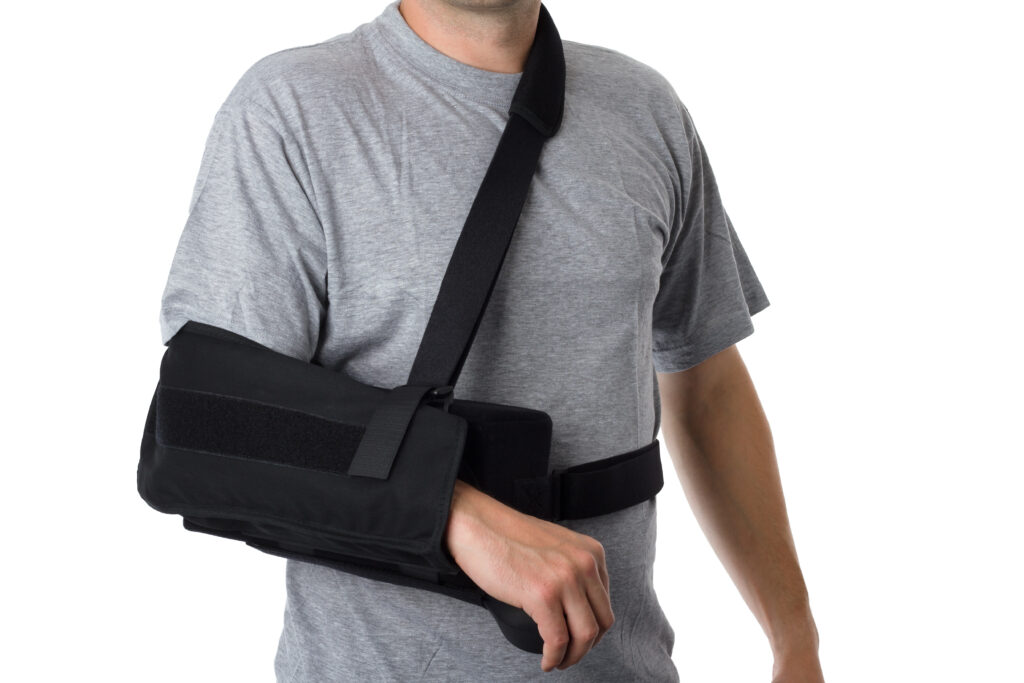
Rehabilitation is a key aspect of the recovery process after biceps tendon repair surgery. A structured rehabilitation program is essential to ensure that the tendon heals properly and the shoulder and arm regain strength, flexibility, and function. The rehabilitation process typically involves initial rest and immobilisation followed by gradual reintroduction of movement and strengthening exercises under the guidance of a physiotherapist. Full recovery can take several months, but with adherence to the rehabilitation plan, patients can return to regular activities, including sports and exercise.
Long-Term Outcomes
Biceps tendon repair surgery is generally successful in alleviating pain and restoring function, especially when conservative treatments have failed. Most patients report a significant reduction in pain and improved arm strength following surgery. The long-term outcomes depend on several factors, including the extent of the injury, the specific surgical procedure performed, and the patient’s commitment to the rehabilitation process. While full recovery may take time, the majority of patients can return to their normal activities with minimal discomfort.
Risks and Complications
As with any surgical procedure, biceps tendon repair carries certain risks, including:
- Infection at the surgical site
- Nerve injury or damage
- Stiffness or loss of range of motion
- Weakness in the biceps muscle
- Recurrent tendon injury or damage
- Complications related to anaesthesia
Your surgeon will explain these risks in detail and outline the steps taken to help reduce them.
Biceps tendon surgery may be considered for people with significant tendon injuries that have not improved with non-surgical treatments. The aim of surgery is to reduce pain and improve arm strength and function. The procedure can be performed using different techniques, depending on the extent of the injury and the patient’s individual needs.