
Hip Labral Pathology
Conditions affecting the muscles, tendons, ligaments, and cartilage around the hip joint that may cause pain, weakness, and reduced function.
Hip pain is not always caused by arthritis or bone-related conditions. In many cases, symptoms arise from injury, irritation, or degeneration of the soft tissues that support and stabilise the hip joint. These structures include muscles, tendons, ligaments, bursae, and the hip labrum.
Hip soft tissue pathology can affect people of all ages and activity levels, from athletes to older adults. Symptoms may develop gradually or follow an injury and can significantly impact walking, sleeping, and daily activities.
At Melbourne Orthopaedic Clinic, hip soft tissue conditions are assessed through a thorough clinical evaluation and appropriate imaging to identify the underlying cause and guide tailored treatment.
On this page, you’ll learn about:
What is Hip Labral Pathology?
Hip labral pathology refers to a group of conditions affecting the non-bony structures around the hip joint. These tissues play a critical role in joint stability, movement, and load distribution.
Common types of hip soft tissue pathology include:
- Labral tears
- Tendon disorders such as gluteal tendinopathy
- Inflammation of bursae (bursitis)
- Muscle strains or tendon tears
- Overuse-related soft tissue irritation
These conditions may occur on their own or alongside other hip problems, including femoroacetabular impingement (FAI) or early osteoarthritis.
Common Causes of Hip Labral Conditions
Hip soft tissue pathology may develop due to a range of factors, including:
- Repetitive loading or overuse
- Sudden injury or trauma
- Poor hip biomechanics or muscle imbalance
- Prolonged pressure or friction over tendons or bursae
- Structural hip conditions that alter joint mechanics
- Age-related tendon degeneration
In some cases, symptoms develop gradually without a clear triggering event.
The hip labrum is a ring of cartilage that lines the rim of the hip socket. It helps deepen the socket, improve joint stability, and distribute load across the joint. A labral tear occurs when this cartilage is damaged, which may lead to:
- Deep groin or hip pain
- Clicking, catching, or locking sensations
- Pain with twisting, pivoting, or prolonged sitting
- Reduced hip range of motion
Labral tears may occur due to trauma, repetitive movement, or underlying structural issues such as hip dysplasia or femoroacetabular impingement.
Gluteal Tendinopathy and Hip Bursitis
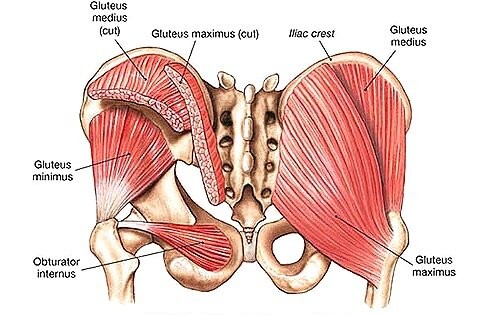
Gluteal tendinopathy: Gluteal tendinopathy affects the tendons of the gluteal muscles where they attach to the outer side of the hip. It is a common cause of lateral hip pain, particularly in middle-aged and older adults.
Symptoms may include:
- Pain on the outside of the hip
- Discomfort when lying on the affected side
- Pain with walking, stairs, or standing on one leg
Hip bursitis: Bursae are small fluid-filled sacs that reduce friction between tissues. Inflammation of these sacs, known as bursitis, may occur alongside gluteal tendinopathy or independently.
Symptoms of bursitis may overlap with tendon-related pain and can include tenderness, swelling, and pain with movement or pressure.
How Hip Labral Pathology is Diagnosed
Diagnosis begins with a comprehensive clinical assessment, including discussion of symptoms, activity levels, and functional limitations.
Investigations may include:
- X-rays to assess joint structure and rule out bony causes
- MRI to evaluate tendons, muscles, bursae, and the labrum
- Ultrasound in selected cases to assess tendon or bursal inflammation
Accurate diagnosis is important, as treatment depends on identifying the specific soft tissue structures involved.
Treatment Options for Hip Labral Pathology
Treatment is guided by the specific diagnosis, symptom severity, and individual needs.
Non-Surgical Management
Many soft tissue hip conditions can be managed without surgery and may include:
- Physiotherapy focused on strength, movement control, and load management
- Activity modification to reduce symptom aggravation
- Pain-relieving medications as advised by your doctor
- Targeted injections in selected cases
Surgical Management
Surgery may be considered when symptoms persist despite appropriate non-surgical care or when significant structural damage is present. Surgical options depend on the underlying condition and are discussed in detail during consultation.
With appropriate assessment and treatment, many people experience improved pain control and function. Early evaluation may help prevent progression and support long-term hip health.
During your consultation, your surgeon will explain the nature of your hip soft tissue condition and discuss management options tailored to your symptoms, lifestyle, and goals.