
Upper Limb Trauma Procedures
Specialist care for shoulder, arm, elbow, wrist, and hand injuries
Injuries to the shoulder, arm, elbow, wrist, and hand are common after falls, accidents, or sporting incidents. These injuries, collectively referred to as upper limb trauma, can involve fractures, dislocations, tendon injuries, or soft-tissue damage. At Melbourne Orthopaedic Clinic, our surgeons provide thorough assessment and timely treatment to restore strength, stability, and movement in the affected limb. Treatment may include non-surgical care or surgical procedures tailored to the type and severity of injury.
Common types of upper limb trauma
Upper limb trauma can affect one or more areas, and each injury requires an individualised approach:
- Shoulder injuries – including fractures of the clavicle (collarbone), scapula, and proximal humerus, as well as shoulder dislocations.
- Arm and elbow trauma – such as humeral shaft fractures, elbow dislocations, and fractures involving the distal humerus, ulna, or radius.
- Wrist and hand injuries – including distal radius fractures, scaphoid fractures, carpal injuries, and finger fractures or dislocations.
- Soft-tissue injuries – tendon ruptures, ligament tears, and complex lacerations that may require surgical repair.
Initial assessment and diagnosis
Accurate diagnosis is essential to determine the best treatment pathway. This may include:
- A physical examination to assess alignment, movement, and function.
- Imaging such as X-rays, CT scans, or MRI to identify fractures, joint injuries, or soft-tissue damage.
- Assessment of neurovascular function (nerves and blood vessels) to ensure there are no complications.
Non-surgical management
Not all upper limb injuries require surgery. Non-surgical treatments may include:
- Immobilisation with a sling, cast, or brace to allow bones or soft tissues to heal.
- Pain management and anti-inflammatory strategies.
- Physiotherapy to restore mobility, strength, and function once the initial healing period is complete.
Surgical procedures for upper limb trauma
When surgery is required, the goal is to realign, stabilise, and repair the injured structures. Common procedures include:
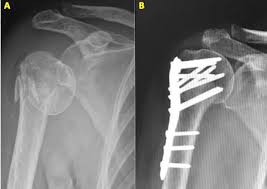
- Open reduction and internal fixation (ORIF): Metal plates, screws, or rods are used to hold broken bones in place while they heal.
- External fixation: A temporary frame is placed outside the limb to stabilise severe fractures until definitive surgery can be performed.
- Tendon and ligament repair: Surgical repair or reconstruction may be needed for complete ruptures or instability.
- Arthroscopic procedures: Minimally invasive techniques may be used in certain joint injuries to assess and treat damage.
Recovery and rehabilitation
Recovery after upper limb trauma depends on the location and severity of the injury, the procedure performed, and the patient’s overall health. Key elements of recovery may include:
- A short hospital stay following surgical treatment.
- Use of slings, splints, or casts to protect the repair.
- Gradual return to movement under the guidance of a physiotherapist.
- Progressive strengthening and functional rehabilitation to support safe return to daily activities, work, or sport.
Long-term outcomes
Most patients experience significant improvements in pain, stability, and mobility following appropriate treatment of upper limb trauma. Outcomes are influenced by the severity of the injury, the timing of treatment, and adherence to rehabilitation programs. While some complex injuries may lead to long-term stiffness or reduced strength, early and tailored intervention helps optimise recovery.