
Lumbar Degenerative Disc Disease
A common cause of back pain and reduced mobility
Degenerative disc disease (DDD) refers to the gradual breakdown of the spinal discs, which normally act as cushions between the vertebrae. As the discs wear down, they may cause pain, stiffness, or reduced mobility in the spine. Although the name suggests a disease, DDD is not an illness but rather a common part of the ageing process. Some people develop symptoms earlier due to factors such as genetics, lifestyle, or previous injury, while others may have disc degeneration without significant pain.
Management of degenerative disc disease depends on the severity of symptoms and may involve a combination of physiotherapy, lifestyle changes, medications, or, in some cases, surgery.

Causes of Degenerative Disc Disease
Several factors contribute to the development of degenerative disc disease, including:
- Ageing: The natural ageing process causes the spinal discs to lose hydration and elasticity, making them less effective as shock absorbers.
- Wear and Tear: Repetitive stress and strain on the spine from daily activities or physical labour can accelerate disc degeneration.
- Genetic Factors: Some individuals may inherit a predisposition to disc degeneration, making them more susceptible to developing DDD.
- Injuries: Past injuries to the spine can contribute to the degeneration of spinal discs, especially if they lead to abnormal biomechanics.
- Lifestyle Factors: Poor posture, obesity, and a sedentary lifestyle can increase the risk of developing degenerative disc disease.
Symptoms of Degenerative Disc Disease
The symptoms of degenerative disc disease can vary in intensity and may include:
- Chronic Back Pain: Persistent pain in the lower back or neck, often worsening with movement and alleviated by rest.
- Radiating Pain: Pain that extends into the legs (sciatica) or arms, depending on the affected area of the spine.
- Stiffness: Reduced flexibility in the spine, making it difficult to bend or twist.
- Numbness and Tingling: Sensations of numbness or tingling in the limbs, indicating possible nerve involvement.
Diagnosis of Degenerative Disc Disease
Diagnosing degenerative disc disease (DDD) begins with a thorough medical history and physical examination. Prof. Hunt will ask about your symptoms, when they began, and how they affect your daily activities. They will also assess your spine for flexibility, areas of tenderness, muscle strength, and nerve function.
To confirm the diagnosis and understand the extent of disc degeneration, imaging tests may be recommended, such as:
- X-rays – to show changes in disc height, bone spurs, or spinal alignment.
- Magnetic resonance imaging (MRI) – to provide detailed images of the discs, nerves, and surrounding soft tissues.
- Computed tomography (CT) scans – sometimes used when MRI is not suitable, offering detailed views of bone and disc structures.
- Discography (in selected cases) – an imaging test where contrast dye is injected into the disc to help identify whether it is the source of pain.
These investigations, combined with clinical assessment, help your surgeon determine the severity of degeneration and whether non-surgical or surgical treatment options may be appropriate.
Degenerative Disc Disease Treatment Options
Treatment for degenerative disc disease aims to alleviate pain and improve function:
Non-Surgical Treatments
Many patients find relief through conservative, non-surgical methods, such as:
- Physiotherapy: A customised rehabilitation programme focused on strengthening core muscles, improving flexibility, and enhancing spinal stability.
- Medications: Over-the-counter pain relievers or prescription medications, including NSAIDs, can help manage inflammation and discomfort.
- Epidural Steroid Injections: These injections can reduce inflammation and provide temporary relief from pain.
- Activity Modification: Learning to avoid activities that exacerbate symptoms and incorporating low-impact exercises can facilitate recovery.
Surgical Treatments
If conservative treatments prove ineffective, surgical options may be considered, including:
- Discectomy: Removal of the degenerated disc to alleviate pressure on surrounding nerves and reduce pain.
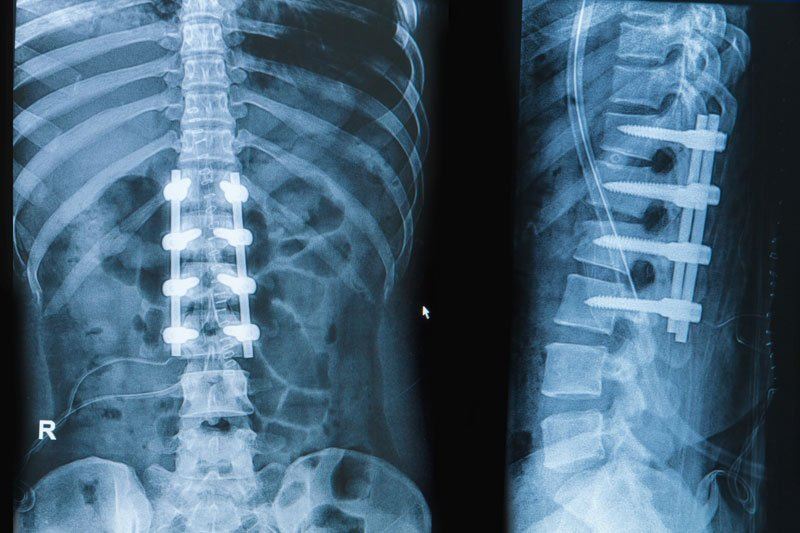
- Spinal Fusion: A surgical procedure that fuses two or more vertebrae to provide stability and reduce motion at the affected segment of the spine.
- Artificial Disc Replacement: In some cases, a damaged disc may be replaced with an artificial one to maintain spinal mobility.
Prof. Justin Hunt is dedicated to providing comprehensive care for degenerative disc disease. He will work closely with you to develop a personalised treatment plan aimed at alleviating symptoms, improving spinal function, and enhancing your overall quality of life. Whether through conservative management or surgical intervention, our goal is to help you return to your daily activities with comfort and confidence.