

Meniscus Surgery
Restoring knee function and alleviating pain through meniscal repair or removal
Meniscus surgery is a procedure aimed at treating damage to the meniscus, the crescent-shaped cartilage that acts as a shock absorber in the knee joint. Meniscal tears are a common injury, often caused by sudden movements, twisting, or degenerative changes due to ageing. The goal of meniscus surgery is to repair or remove the damaged tissue, helping restore knee function, reduce pain, and prevent further damage to the knee joint.
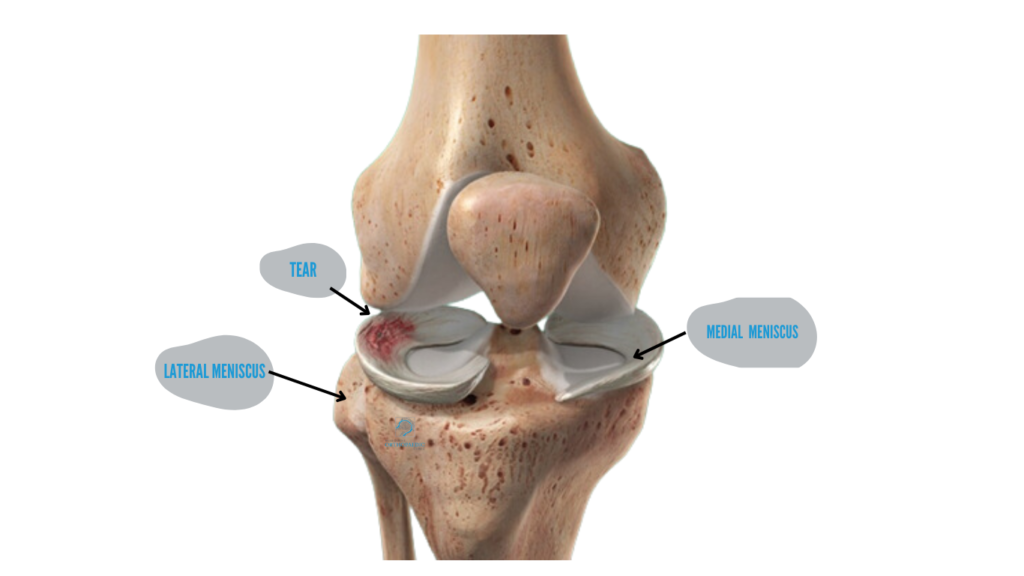
What is a Meniscus Tear?
The meniscus is composed of two pieces of cartilage located in the knee joint, one on the inner (medial) side and one on the outer (lateral) side. A tear can occur as a result of acute injury, such as during sports, or through wear and tear over time. Meniscus tears are classified into different types based on the location and pattern of the tear, including:
- Vertical or longitudinal tears: A tear running along the length of the meniscus.
- Horizontal tears: A tear that runs across the meniscus, dividing it into upper and lower portions.
- Complex tears: A combination of different types of tears, making repair more challenging.
- Radial tears: A tear that occurs from the inner portion of the meniscus towards the outer rim.
Indications for Meniscus Surgery
Meniscus surgery may be necessary when:
- A meniscus tear causes persistent knee pain, swelling, and difficulty with movement.
- Conservative treatments such as rest, ice, anti-inflammatory medications, and physical therapy do not alleviate symptoms.
- The tear is large, displaced, or involves the weight-bearing area of the meniscus, which can lead to further damage if untreated.
- There is a risk of the torn piece interfering with knee function, causing instability, or increasing the risk of arthritis over time.
The Meniscus Surgery Procedure
Meniscus surgery can be performed using either meniscal repair or meniscectomy, depending on the type and location of the tear. The procedure is usually done arthroscopically, which is minimally invasive.
- Anaesthesia: The procedure is performed under either general anaesthesia or regional anaesthesia (spinal or nerve block) to ensure the patient is comfortable during the surgery.
- Arthroscopic Access: Small incisions are made around the knee to insert an arthroscope (a small camera) and surgical instruments.
- Meniscal Repair or Removal:
- Meniscal Repair: If the tear is in a part of the meniscus with good blood supply (usually the outer edge), the surgeon may repair the tear by suturing the tissue back together.
- Meniscectomy: If the tear is in an area with poor blood supply or if the tear is too severe to repair, the damaged portion of the meniscus may be removed. Partial meniscectomy aims to preserve as much of the meniscus as possible to maintain knee function.
- Closure: After the tear is repaired or the damaged tissue is removed, the incisions are closed with sutures or adhesive strips, and a sterile dressing is applied.
Recovery After Meniscus Surgery
Recovery from meniscus surgery depends on the extent of the surgery and the type of tear, but patients can generally expect the following:
- Hospital Stay: Most patients can go home the same day as the surgery, although a brief hospital stay may be necessary if the procedure is more extensive.
- Weight-Bearing: Depending on the procedure, weight-bearing restrictions may apply. For meniscal repairs, partial weight-bearing may be recommended for several weeks, whereas those undergoing meniscectomy may be able to bear weight sooner.
- Rehabilitation: Physical therapy is a crucial part of recovery. A rehabilitation program will begin soon after surgery, focusing on regaining range of motion, strength, and knee stability.
- Activity Restrictions: High-impact activities, such as running or jumping, may be restricted for several months to allow the knee to heal properly.
- Return to Normal Activities: Most patients can return to normal daily activities within a few weeks, with sports or intense physical activities typically resuming within 3 to 6 months, depending on the surgery’s extent and rehabilitation progress.

Long-term Outcomes
The success of meniscus surgery largely depends on the type of surgery performed and the tear’s location. Meniscal repair typically has a better long-term outcome in terms of knee function and reducing the risk of osteoarthritis. However, if a meniscectomy is performed, the knee may still experience some pain and stiffness, particularly if a significant portion of the meniscus is removed. In these cases, it is important to maintain a healthy weight and avoid high-impact activities to prevent the development of arthritis.
Risks and Complications
As with any surgery, meniscus surgery carries some risks, including:
- Infection at the surgical site
- Blood clots (deep vein thrombosis)
- Knee stiffness or loss of motion
- Re-tear of the meniscus, especially in the case of meniscal repair
- Arthritis or increased wear on the knee joint, particularly after meniscectomy
- Nerve or blood vessel injury
Your surgical team will discuss these risks in detail and provide instructions to minimise them.
Meniscus surgery can be an effective way to treat knee pain and improve function after a meniscal tear. With proper care, rehabilitation, and adherence to post-surgical guidelines, most patients can return to their normal activities and enjoy long-term knee health.