

Knee Arthroscopy
Minimally invasive surgery for knee pain and dysfunction
Knee arthroscopy is a minimally invasive surgical procedure used to diagnose and treat various knee problems, including ligament injuries, cartilage damage, and joint diseases. By using a small camera (arthroscope) and specialised instruments, surgeons can access the knee joint through tiny incisions, which allows for a quicker recovery time, less pain, and fewer complications compared to traditional open surgery.
What is Knee Arthroscopy?
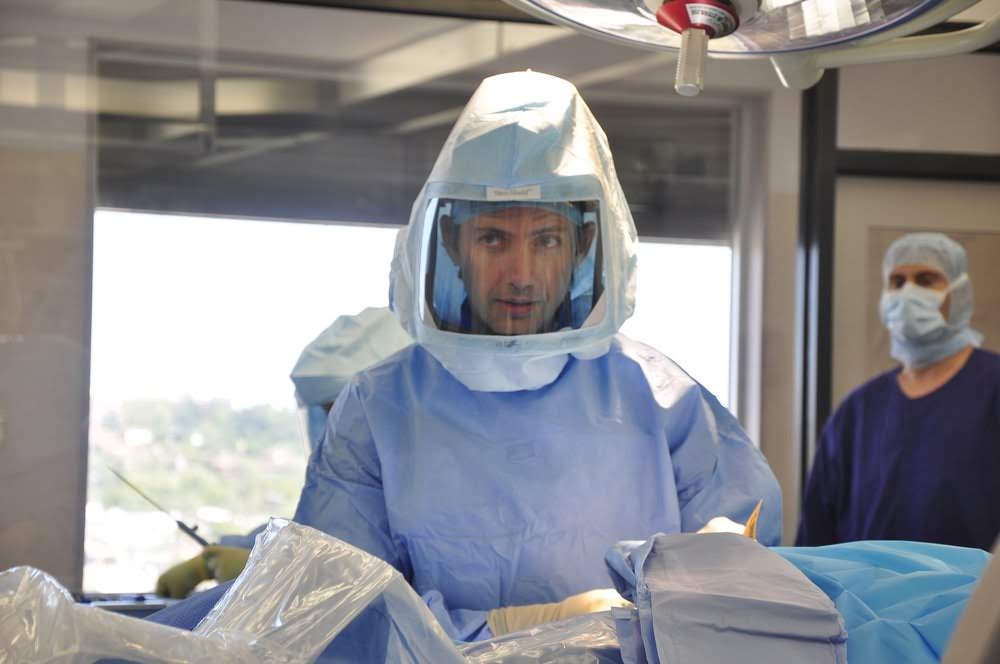
Knee arthroscopy is a minimally invasive surgical technique used to diagnose and treat a range of knee joint conditions, including meniscus injuries. The procedure involves inserting a small camera, called an arthroscope, into the knee joint through a small incision. This camera provides high-resolution, real-time images of the inside of the knee, allowing the surgeon to closely assess structures such as the menisci, cartilage surfaces, ligaments, and synovial lining.
Using one or more additional small incisions, specialised instruments are introduced to perform targeted procedures. Meniscus surgery is one of the most common reasons knee arthroscopy is performed and may involve repairing a torn meniscus or carefully trimming damaged meniscal tissue when repair is not appropriate. The goal is to preserve as much healthy meniscus as possible to support long-term joint function.
Knee arthroscopy may also be used to treat other conditions, including cartilage damage, loose bodies within the joint, ligament-related problems, and inflammation of the joint lining. In some cases, arthroscopy is used to investigate mechanical symptoms such as locking, catching, or persistent pain when non-surgical treatments have not been effective.
Because arthroscopic procedures are performed through small incisions rather than large open surgery, they generally involve less disruption to surrounding tissues and support a more streamlined rehabilitation process, depending on the procedure performed.
Indications for Knee Arthroscopy
Knee arthroscopy is typically recommended when conservative treatments, such as physical therapy or medications, fail to relieve knee pain or when a diagnosis requires direct visualisation of the knee joint. Common conditions treated with knee arthroscopy include:
- Meniscus Tears: Damaged cartilage that cushions the knee joint.
- Ligament Injuries: Tears or damage to the anterior cruciate ligament (ACL), posterior cruciate ligament (PCL), or other ligaments.
- Patellar Problems: Conditions affecting the kneecap, such as dislocations or cartilage damage.
- Cartilage Damage: Injury or degenerative changes to the articular cartilage.
- Joint Inflammation or Infections: Conditions such as arthritis or infections that affect the knee joint.
The Knee Arthroscopy Procedure
The knee arthroscopy procedure generally follows these steps:
- Anaesthesia: The patient is either given general anaesthesia (to make them unconscious) or regional anaesthesia (such as a spinal block) to numb the knee.
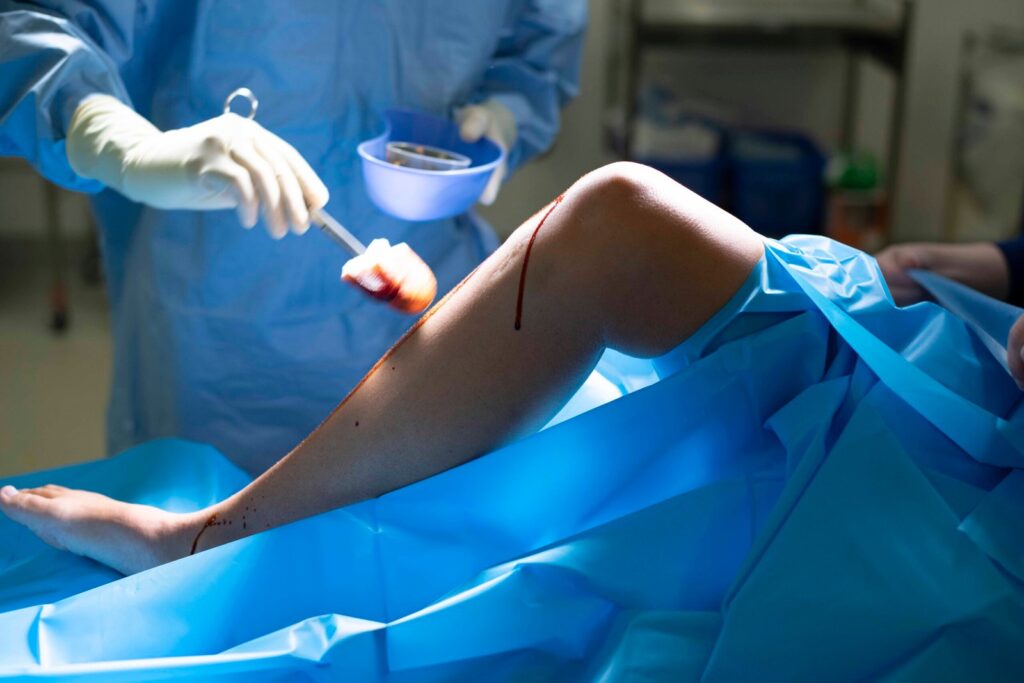
- Incision: The surgeon makes small incisions, typically 2 to 3, around the knee joint. One of the incisions is used to insert the arthroscope (camera), while the others allow for the introduction of surgical instruments.
- Examination: The surgeon uses the arthroscope to visually inspect the knee joint on a monitor, identifying any damage or areas of concern, such as tears, wear, or inflammation.
- Treatment: Depending on the findings, the surgeon may remove damaged tissue (such as part of a torn meniscus), repair ligaments, smooth damaged cartilage, or address any other issues identified.
- Meniscectomy: Removal of damaged or torn meniscal tissue.
- Meniscal Repair: Suturing a tear in the meniscus.
- Ligament Repair or Reconstruction: Reattaching or reconstructing ligaments, such as the ACL.
- Cartilage Debridement: Smoothing or trimming damaged cartilage.
- Closure: The small incisions are closed with sutures or adhesive strips, and a sterile dressing is applied to the knee.
Recovery After Knee Arthroscopy
Recovery after ACL reconstruction surgery typically follows a structured rehabilitation plan. Patients can expect the following:
- Hospital Stay: Most patients can go home the same day or after an overnight stay, depending on the surgeon’s recommendation and recovery progress.
- Pain Management: Pain is managed with prescribed medications immediately after surgery. Ice and elevation help reduce swelling.
- Weight Bearing: Post-surgery, the patient may be advised to avoid putting full weight on the leg for several days or weeks, depending on the type of graft and surgical approach. Crutches or a knee brace may be used during this time.
- Physiotherapy: Rehabilitation begins almost immediately after surgery, with a focus on:
- Range of Motion: Restoring the knee’s flexibility and mobility.
- Strengthening: Building strength in the muscles around the knee, such as the quadriceps and hamstrings, to help support the newly reconstructed ligament.
- Functional Activities: As healing progresses, patients will begin exercises that mimic daily movements and eventually progress to sport-specific training.
- Full Recovery: Recovery can take 6 to 12 months, with full return to sports or high-impact activities typically occurring around 9 to 12 months after surgery.
Long-term Outcomes
Knee arthroscopy typically results in significant pain relief and improved knee function, with a low risk of complications. The success of the surgery depends on factors such as the extent of the damage, the type of procedure performed, and the patient’s adherence to rehabilitation protocols.
For conditions like meniscus tears or cartilage damage, knee arthroscopy can help prevent the progression of joint degeneration, reduce pain, and improve mobility. In cases involving ligament reconstruction, such as an ACL tear, recovery times may be longer, and rehabilitation plays a key role in achieving full recovery.
Risks and Complications
While knee arthroscopy is generally safe, there are some risks associated with the procedure, including:
- Infection at the surgical site
- Blood clots (deep vein thrombosis)
- Knee stiffness or limited range of motion
- Damage to blood vessels or nerves
- Failure of the surgical repair (e.g., ligament reconstruction or meniscal repair)
- Persistent pain or swelling
Your surgical team will discuss these risks with you in detail and provide instructions to minimise them.
Knee arthroscopy is a highly effective, minimally invasive technique that can offer relief from knee pain, restore joint function, and improve the quality of life for those suffering from knee conditions. With proper care and rehabilitation, most patients can expect a successful recovery and a return to their normal activities.