

Hamstring Tendon Repair
A surgical procedure to restore strength and function following a tendon tear
Your hamstring muscles are located at the back of your thigh and are essential for bending your knee and extending your hip. They play a critical role in everyday movements like walking, running, climbing stairs, and jumping. If one or more of the hamstring tendons become torn or completely ruptured, often due to a sporting injury or traumatic fall, you may experience sudden pain, swelling, bruising, and difficulty using the leg.
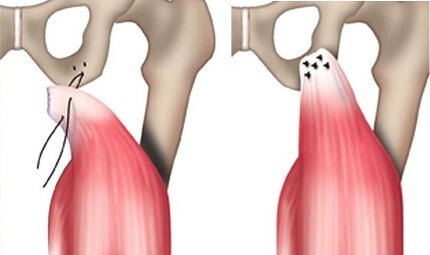
Hamstring tendon repair is a surgical procedure that reattaches the torn tendon to its original position and helps restore strength, stability, and function to the affected leg.
When might hamstring tendon repair be recommended?
Surgery may be recommended in the following situations:
You’ve sustained a complete rupture of one or more hamstring tendons, often seen in high-impact injuries or sudden overstretching.
The tendon has pulled away from its attachment on the pelvis or shin bone, affecting your ability to bend the knee or extend the hip.
You’ve tried non-surgical options such as physiotherapy, but symptoms like pain, weakness, or instability continue.
You need to restore higher-level function for work, daily life, or returning to sports.
Your orthopaedic surgeon will assess your injury with imaging (such as MRI or ultrasound) and clinical examination to determine whether surgery is the most suitable option for you.
What happens during hamstring tendon repair surgery?
Hamstring tendon repair is usually performed under general or regional (spinal) anaesthesia. The procedure may vary slightly depending on the location and severity of your tear, but generally includes the following steps:
Anaesthesia – You’ll be given either general anaesthesia or a spinal block to keep you comfortable during the procedure.
Incision – A surgical cut is made at the back of the thigh or near the buttock, depending on where the tendon has detached.
Tendon repair – The surgeon locates the torn ends of the tendon and carefully reattaches them to the bone using strong sutures or anchors.
Additional reinforcement – In some cases, a tendon graft may be used to reinforce the repair or bridge a gap in the tendon.
Closure – The wound is closed with sutures, and a sterile dressing is applied to protect the surgical site.
Recovery after hamstring tendon repair
Recovery after hamstring tendon repair is gradual and involves a structured rehabilitation plan to protect the tendon as it heals and to rebuild strength and mobility.
- Hospital stay – Most patients go home the same day or the following day, depending on the complexity of the repair.
- Weight-bearing and bracing – You may need crutches or a brace to limit movement and avoid putting weight on your leg for the first few weeks. Your surgeon will advise when you can begin partial or full weight-bearing activities.
- Physiotherapy – Physiotherapy begins early with gentle range-of-motion exercises to prevent stiffness. As healing progresses, your program will include strength training, gait retraining, and balance work.
- Return to activity – Many patients return to light daily activities within 6–8 weeks. A full return to sport or high-impact exercise may take 6 to 12 months, depending on your individual recovery.
What outcomes can I expect?
Most people experience a significant improvement in leg strength, function, and stability after hamstring tendon repair surgery. You may notice:
Reduced pain and improved walking or running ability
Restored muscle strength and flexibility
Greater confidence using the leg during daily activities or sport
Long-term results are generally positive, especially when combined with a committed rehabilitation program. It’s important to follow your surgeon’s and physiotherapist’s advice closely during your recovery.

What are the risks or complications?
As with all surgical procedures, hamstring tendon repair carries some risks. These may include:
Infection at the surgical site
Blood clots (deep vein thrombosis)
Nerve injury or numbness near the incision
Re-tearing of the tendon if overloaded too soon
Scar tissue formation leading to stiffness
Ongoing weakness or discomfort in some cases
Your surgeon will discuss these risks with you before surgery and provide strategies to help reduce the likelihood of complications.
Your next steps
If you’ve been diagnosed with a significant hamstring tendon injury, your surgeon will talk through the best treatment plan for your situation. If surgery is recommended, understanding the process and committing to your recovery can help you get the best possible outcome. The surgical team will thoroughly discuss these risks with patients and implement strategies to minimise them, ensuring the best chance of a successful recovery.