

Knee Replacement Surgery
Restoring Mobility and Quality of Life
If you’re dealing with severe knee pain due to conditions like osteoarthritis, rheumatoid arthritis, or post-traumatic arthritis, knee replacement surgery may be the solution you need. This procedure is designed to relieve pain and restore function to your knee joint, enabling you to return to your daily activities and enjoy a more active lifestyle.
At Melbourne Orthopaedic Clinic, our expert team is dedicated to providing tailored care for patients seeking relief from knee pain. We focus on understanding your specific condition, discussing treatment options, and guiding you through the surgical process to achieve the best outcomes.
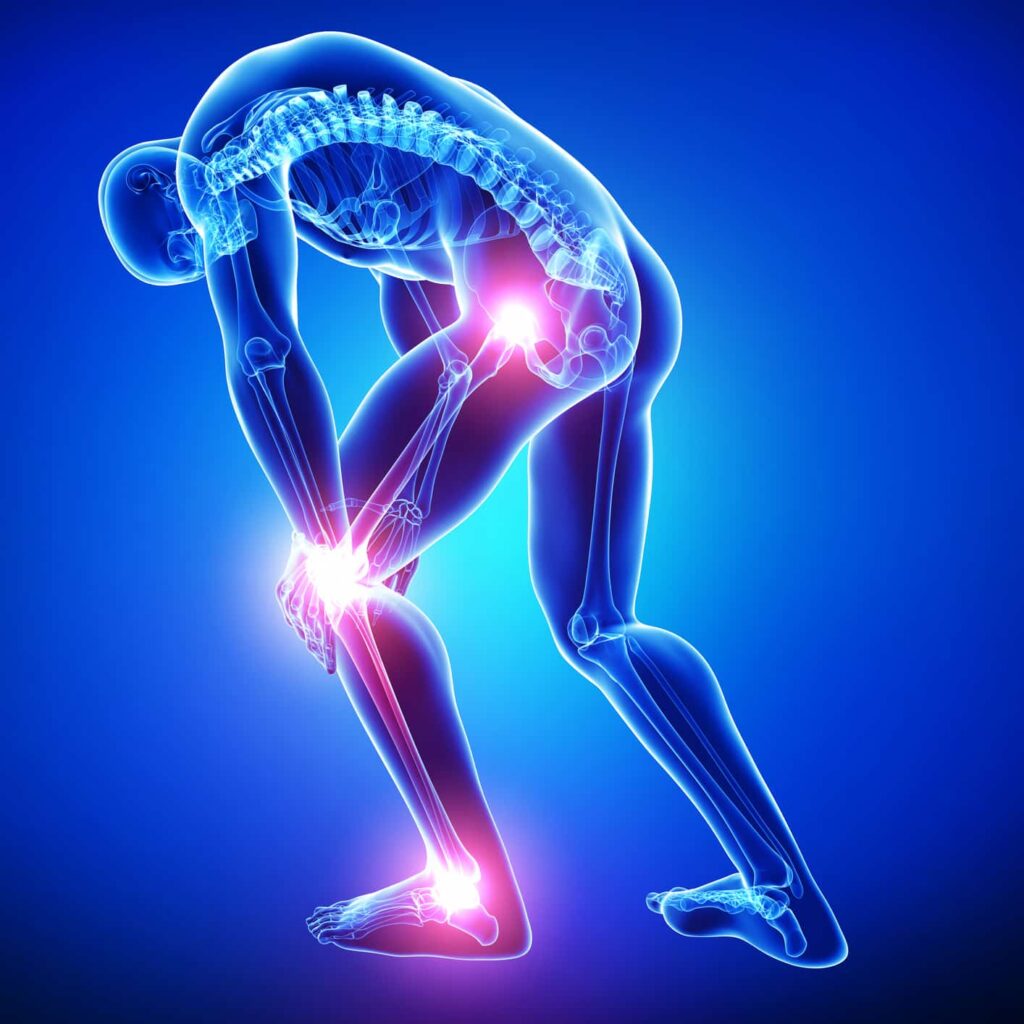
Indications for Knee Replacement Surgery
Knee replacement surgery is typically indicated for patients experiencing:
- Chronic Knee Pain: Persistent pain that limits mobility and daily activities, often exacerbated by weight-bearing movements.
- Joint Stiffness: Reduced range of motion that hinders the ability to walk, climb stairs, or perform routine tasks.
- Ineffective Conservative Treatments: Limited improvement with non-surgical interventions such as medications, physical therapy, or injections.
If conservative treatments fail to alleviate symptoms, it may be time to consider knee replacement surgery.
Types of Knee Replacement Surgery
At Melbourne Orthopaedic Clinic, we offer several types of knee replacement surgery tailored to meet your specific needs:
- Total Knee Replacement (TKR): This procedure involves replacing the entire knee joint, including the femoral component, tibial component, and patella, with artificial implants.
- Partial Knee Replacement (PKR): In select cases where only one compartment of the knee is damaged, a partial replacement may be performed, preserving healthy tissue and maintaining more natural knee function.
- Complex Knee Replacement: For patients with more complex conditions or previous knee surgeries, custom implants and advanced techniques may be employed for optimal results.
Our Orthopaedic Surgeons will work with you to determine the most suitable option based on your condition and lifestyle goals.
The Knee Replacement Surgery Procedure
Knee replacement surgery is typically performed under general or regional anaesthesia, and the procedure generally follows these steps:
- Incision: An incision is made along the front of the knee to access the joint.
- Preparation of the Bone: Damaged cartilage and bone are removed from the femur, tibia, and patella, preparing the surfaces for the implant.
- Implant Placement: The artificial knee components are positioned precisely to ensure optimal alignment and function.
- Closure: The incision is closed with sutures or staples, and a dressing is applied to protect the surgical site.
The procedure usually takes about one to two hours, after which you will be monitored in a recovery area before being transferred to a hospital room.
Post Operative Expectations After Replacement Surgery
Following knee replacement surgery, it’s normal to experience some pain, swelling, and stiffness. Pain management will be provided through medications, ice therapy, and physical therapy, which will begin shortly after surgery to aid recovery and restore mobility.
You will likely use a walker or crutches initially and will be encouraged to perform gentle exercises to enhance circulation and promote healing. The nursing staff will provide guidance on wound care and any precautions to take during the early stages of recovery.
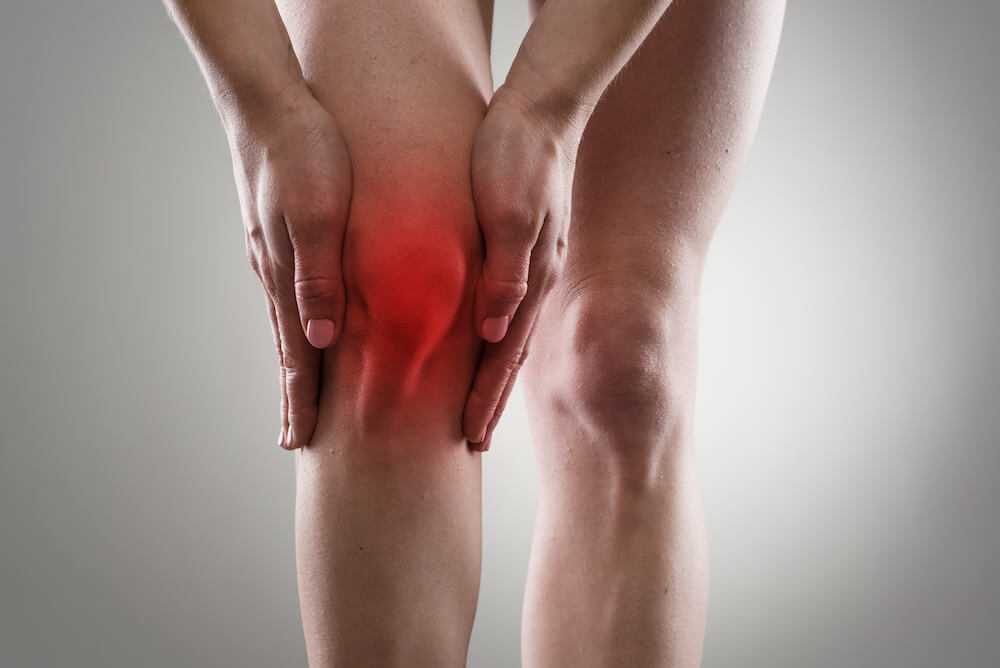
Recovery Times Following Knee Replacement Surgery
Recovery from knee replacement surgery is gradual and varies among individuals. Typically, the recovery phases include:
- First 1 to 2 Weeks: Focus on pain management, swelling reduction, and beginning physical therapy.
- 2 to 6 Weeks: Increased mobility and strength-building exercises are introduced, with continued physiotherapy support.
- 6 Weeks to 3 Months: Gradual return to low-impact activities, with ongoing improvements in range of motion and function.
- 3 to 6 Months: Most patients can return to more active pursuits, though high-impact activities should be avoided unless approved by Dr. [Surgeon’s Name].
Regular follow-up appointments will allow Dr. [Surgeon’s Name] to monitor your progress and make necessary adjustments to your rehabilitation plan.
Risks Associated With Knee Replacement Surgery
While knee replacement surgery is generally safe and effective, potential risks include:
GENERAL SURGICAL RISKS
- Infection: There is a risk of infection at the surgical site, which may require antibiotics or additional surgery.
- Bleeding: Excessive bleeding can occur, necessitating medical intervention.
- Blood Clots: The risk of deep vein thrombosis (DVT) can arise post-surgery, requiring preventative measures such as medication or compression devices.
- Anaesthesia Risks: Potential complications related to anaesthesia will be discussed with you before the procedure.
Specific Risks Related to Knee Replacement
- Implant Failure: Although rare, artificial joints can wear out or fail, necessitating revision surgery.
- Persistent Pain or Stiffness: Some patients may continue to experience discomfort or limited motion after surgery.
- Nerve or Blood Vessel Injury: In rare cases, surrounding nerves or blood vessels may be damaged during the procedure.
- Instability: Some patients may experience instability in the new joint, leading to falls or further injury.
Risks and Complications
To minimise the risks associated with knee replacement surgery, Dr. [Surgeon’s Name] employs several strategies:
- Pre-Surgical Assessment: Comprehensive evaluations to identify any pre-existing conditions that may affect surgery or recovery.
- Post-Surgical Rehabilitation: Implementing a structured physiotherapy program tailored to your needs and recovery goals.
- Patient Education: Providing thorough guidance on post-operative care, activity restrictions, and realistic recovery timelines to ensure a safe return to activities.
At Melbourne Orthopaedic Clinic, we are committed to helping you achieve the best possible outcomes through expert care and personalised rehabilitation plans. Contact us today to schedule your consultation.