

Hip Fracture Fixation Surgery
Surgical treatment to stabilise a broken hip and support recovery
A hip fracture is a serious injury that can significantly affect your mobility, independence, and overall health. It commonly occurs after a fall, especially in older adults with osteoporosis, but can also result from trauma in younger individuals. If you’ve sustained a hip fracture, surgery is often recommended to realign and stabilise the bone, reduce pain, and help you regain function.
Hip fracture fixation is a surgical procedure that involves the use of specialised implants, such as screws, plates, or rods, to secure the broken bone fragments. This page provides detailed information to help you understand the procedure, what to expect, and how recovery typically progresses.
Topics covered on this page:
Types of hip fractures
Hip fractures usually involve a break in the upper part of the thigh bone (femur) near the hip joint. The type and location of the fracture determine how it is treated.
Common types of hip fractures include:
- Femoral neck fractures: These occur just below the ball of the hip joint and may affect the blood supply to the femoral head.
- Intertrochanteric fractures: These occur between the neck of the femur and the shaft of the bone, often involving more than one fracture line.
- Subtrochanteric fractures: These occur further down the thigh bone and may involve significant force or bone weakness.
Your surgeon will assess the location, pattern, and severity of the fracture using X-rays and/or CT scans to decide on the most appropriate surgical approach.
When hip fracture fixation may be recommended
Surgery is generally recommended for most hip fractures to allow early mobilisation and reduce the risk of complications such as blood clots, pneumonia, or prolonged immobility.
Hip fracture fixation may be considered when:
- The fracture is stable enough to be fixed with implants
- The blood supply to the femoral head is still intact
- You are medically fit enough to undergo surgery
- A total hip replacement is not required or appropriate for your case
In some cases, particularly for displaced femoral neck fractures in older adults, hip replacement surgery (partial or total) may be considered instead of fixation. Your surgeon will explain the reasoning behind the recommended procedure and discuss your options with you.
The hip fracture fixation surgical procedure
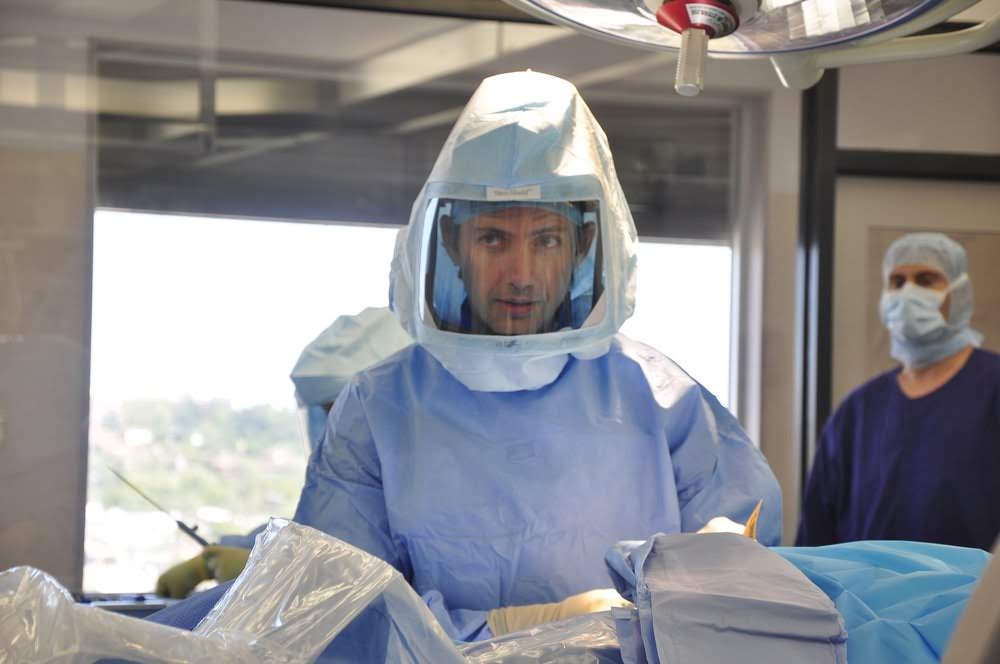
Hip fracture fixation is performed in a hospital setting, typically under general or spinal anaesthesia. The specific technique used will depend on the type and location of your fracture.
Key steps may include:
- Positioning and imaging: You will be positioned on the operating table and intraoperative X-rays may be used to guide the procedure.
- Reduction of the fracture: The surgeon will realign the broken bone fragments into their correct anatomical position.
- Implant fixation: Depending on the fracture type, various devices may be used:
- Cannulated screws: Used for small, stable fractures (especially in the femoral neck).
- Dynamic hip screw (DHS): Often used for intertrochanteric fractures; consists of a large screw into the femoral head connected to a side plate.
- Intramedullary nail (IM nail): A long metal rod inserted down the centre of the femur to stabilise more complex fractures.
The goal is to achieve stable fixation that allows early movement and weight-bearing, depending on your individual case.
Recovery after hip fracture fixation surgery
Recovery following hip fracture surgery involves a multidisciplinary approach, often including hospital physiotherapy, rehabilitation, and community-based support.
In the hospital:
- You may begin physiotherapy as early as the day after surgery
- Pain relief and blood clot prevention strategies will be used
- Most patients remain in hospital for several days, depending on overall health and progress
At home or rehabilitation facility:
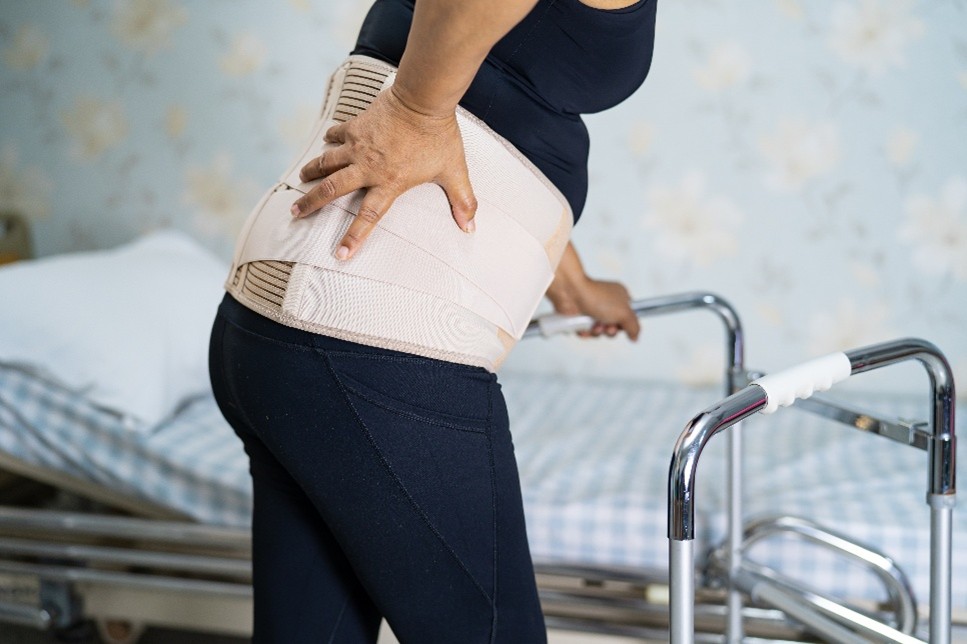
- You may need walking aids such as crutches or a walker
- A tailored rehabilitation plan will help you regain strength, balance, and confidence
- Your weight-bearing status will depend on the stability of the fracture and the fixation used
Recovery timelines vary, but many patients begin walking with assistance within the first week. Full recovery may take 3–6 months, particularly in older adults or those with other medical conditions.
Is hip fracture fixation right for you?
Hip fracture fixation may be an appropriate option if:
- You’ve sustained a recent fracture confirmed on imaging
- The fracture pattern is suitable for internal fixation
- You are medically fit for anaesthesia and surgery
- The expected benefits of stabilising the fracture outweigh potential risks
Your orthopaedic surgeon will assess your injury, overall health, and treatment goals to determine whether fixation is suitable, or if an alternative such as hip replacement may be more appropriate.