

Hip Arthroscopy
Minimally invasive surgery for diagnosing and treating hip joint problems
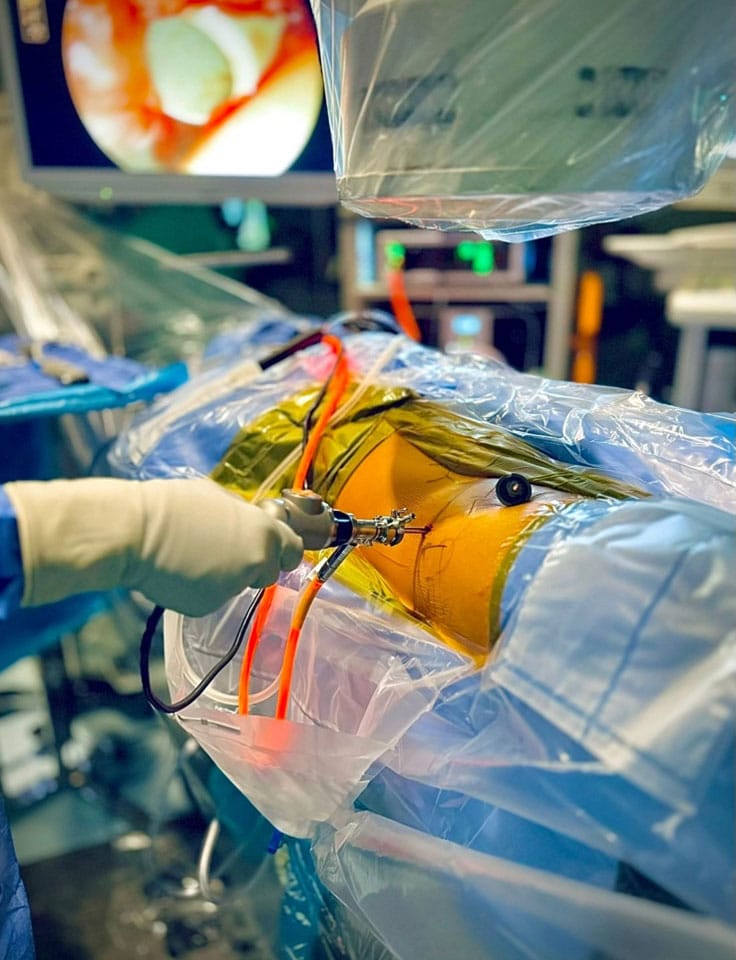
Hip arthroscopy is a type of keyhole surgery that allows your surgeon to see inside the hip joint using a small camera and perform repairs through tiny incisions. It may be used to diagnose and treat a range of painful hip conditions that have not responded to non-surgical treatments, particularly those involving soft tissue, cartilage, or bone impingement around the joint.
At Melbourne Orthopaedic Clinic, hip arthroscopy is performed by our specialist orthopaedic surgeons trained in advanced minimally invasive techniques. The goal is to relieve pain, preserve your natural hip joint, and support long-term mobility, especially in active younger patients.
Topics covered on this page:
What is hip arthroscopy?
Hip arthroscopy is a form of keyhole surgery performed through small incisions. A narrow camera is inserted into the joint to allow the surgeon to view structures such as cartilage, bone, the labrum (rim of cartilage around the socket), and surrounding soft tissues. If appropriate, treatment can be carried out using slim surgical instruments inserted through separate incisions.
The procedure is usually performed under general anaesthesia and may take one to two hours, depending on the type and extent of treatment planned. Unlike open surgery, arthroscopy is considered a minimally invasive technique. For eligible patients, it may offer a shorter hospital stay and a more gradual return to function.
Conditions that may be treated with hip arthroscopy
Hip arthroscopy may be considered in cases where non-surgical treatment (such as physiotherapy, activity modification, or medication) has not provided sufficient improvement. Some of the conditions that may be assessed or treated using arthroscopy include:
- Femoroacetabular impingement (FAI): A condition where bone shape abnormalities in the hip joint may cause friction during movement.
- Labral tears: Damage to the labrum can result in pain or mechanical symptoms such as clicking or catching.
- Cartilage damage or defects: Wear or injury to the smooth cartilage surface may contribute to joint pain or swelling.
- Synovitis: Inflammation of the joint lining may be explored and treated during arthroscopy.
- Loose bodies: Fragments of cartilage or bone floating within the joint can sometimes be removed during surgery.
It is important to note that not all hip conditions are suitable for arthroscopic treatment. Your surgeon will assess whether this approach is likely to be of benefit based on your symptoms, imaging results, and overall health.
How to prepare for surgery
If hip arthroscopy is recommended, you’ll be guided through a comprehensive preparation process. This may include:
- Clinical assessment and imaging: Your surgeon will review your symptoms and carry out imaging (such as X-rays or MRI scans) to assist with diagnosis and planning.
- Health optimisation: Managing conditions such as diabetes, heart disease, or weight may help reduce surgical risks.
- Medication review: You may be asked to adjust certain medications before surgery, especially blood thinners or supplements.
- Pre-surgery physiotherapy: You may be provided with exercises to maintain mobility and prepare your muscles before the procedure.
Recovery and rehabilitation after the procedure
Recovery following hip arthroscopy varies depending on the condition treated, the extent of surgical repair, and your general health and fitness. Most patients go home the same day, but some may require an overnight stay.
The typical recovery process may involve:
- Crutches or walking aids: These may be needed for a short period to assist with weight-bearing.
- Physiotherapy: A structured program is usually recommended to support mobility, strength, and joint protection.
- Return to activities: The timing for returning to work, driving, or exercise will depend on your occupation and the nature of your surgery. Many people gradually return to normal activities over several weeks, though full recovery may take longer.
Your orthopaedic team will work with you to tailor a rehabilitation plan that considers your goals and lifestyle.

Whether this surgery might be right for you
Hip arthroscopy may be considered if:
- You have persistent symptoms that have not improved with non-surgical treatment
- Imaging suggests a structural issue that may be amenable to arthroscopic management
- You are motivated to engage in rehabilitation and follow post-operative advice
- You do not have advanced arthritis or other conditions that may affect surgical outcomes
It’s important to understand that not all patients with hip pain will benefit from arthroscopy. During your consultation, your surgeon will discuss the likely benefits, risks, limitations, and alternative treatment options to help you make an informed decision.