

Hip Dislocation
Serious injury requiring immediate treatment to restore joint alignment and prevent complications
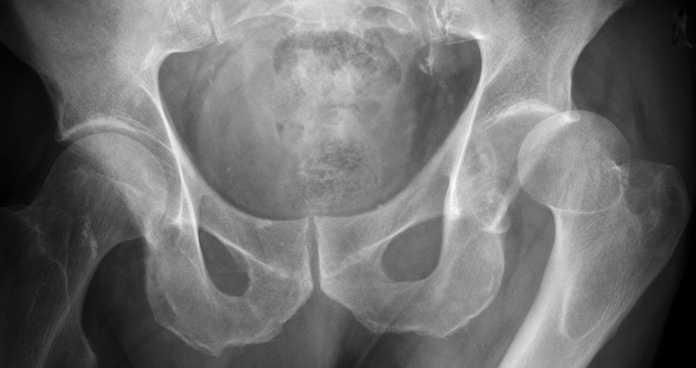
At Melbourne Orthopaedic Clinic, we understand the urgency of treating hip dislocations, which can lead to significant pain, immobility, and long-term complications if not addressed quickly. A hip dislocation occurs when the head of the femur (thighbone) is forced out of the hip socket, often due to trauma. Immediate treatment is essential to restore the joint alignment, prevent complications, and relieve pain.
On this page, you’ll learn about:
Causes of Hip Dislocation
Hip dislocations are most commonly caused by high-impact injuries or accidents, as well as specific health conditions or previous surgeries that weaken the joint. Common causes include:
- High-Impact Trauma: Car accidents, falls from a height, or sports injuries are leading causes of hip dislocations, particularly in younger adults.
- Weakness from Previous Surgeries: Those who have had hip replacements or other hip surgeries may be at higher risk for dislocation due to altered joint stability.
- Congenital Hip Dysplasia: Certain structural abnormalities of the hip present from birth may increase the likelihood of dislocation.
- Other Health Conditions: Conditions that affect bone density or joint stability, such as osteoporosis or ligament laxity, may also predispose individuals to hip dislocation.
Symptoms Of Hip Dislocation
A hip dislocation is typically very painful and has immediate, noticeable symptoms, making it difficult to walk or move the affected hip. Common symptoms include:
- Severe Hip and Groin Pain: Intense pain in the hip, groin, or buttock, often radiating down the leg.
- Inability to Move the Leg: Many individuals with hip dislocation cannot bear weight or move the affected leg.
- Leg Deformity: The leg may appear shortened or rotated abnormally outward or inward.
- Numbness or Tingling: The dislocation may cause nerve compression, leading to numbness or tingling in the leg or foot.
Diagnosis Of Hip Dislocation
At Melbourne Orthopaedic Clinic, diagnosing a hip dislocation starts with a thorough physical examination to assess visible deformities, range of motion, and any nerve involvement. Imaging tests confirm the dislocation and identify any related injuries:
- X-rays: X-rays are used to confirm the dislocation and determine its direction (anterior or posterior), as well as to check for potential fractures.
- CT Scan or MRI: If soft tissue or ligament damage is suspected, CT or MRI scans provide a detailed view of the hip joint, assisting in planning treatment.
Hip Dislocation Treatment Options
Prompt treatment is essential to realign the hip and prevent further damage. The team at Melbourne Orthopaedic Clinic tailors’ treatment based on the severity of the dislocation, presence of fractures, and any additional injuries.
NON-SURGICAL TREATMENTS
In many cases, hip dislocations can be treated without surgery through careful manipulation and rehabilitation:
- Closed Reduction: Under anaesthesia, the hip joint is manually realigned to its normal position. This process requires precision to avoid further damage to surrounding tissues.
- Pain Management: Medication is provided to manage pain during the initial recovery period and to ease inflammation around the joint.
- Rehabilitation: Physiotherapy is essential for rebuilding strength, stability, and mobility in the hip joint. A rehabilitation plan is tailored to each patient’s needs to ensure safe recovery and prevent re-injury.
SURGICAL TREATMENTS
Surgery may be required if there are associated fractures, soft tissue damage, or if a closed reduction is unsuccessful. Surgical options include:
- Open Reduction and Internal Fixation (ORIF): In cases of complex dislocations with fractures, surgery may be needed to realign and stabilise the hip joint using screws, plates, or other devices.
- Hip Replacement Surgery: For severe cases, especially in individuals with previous hip replacements, a total or partial hip replacement may be recommended to restore function and stability.
The Melbourne Orthopaedic Clinic is dedicated to providing specialised care for hip dislocations, offering a personalised approach to treatment that maximises recovery and supports a return to everyday activities. With a commitment to expert care, we strive to restore joint health, prevent complications, and help our patients achieve lasting relief.